




Can a sensor barely 4mm long measure distances beyond 8 metres? The device can bring longer-range sensing into smaller, lower-power designs.
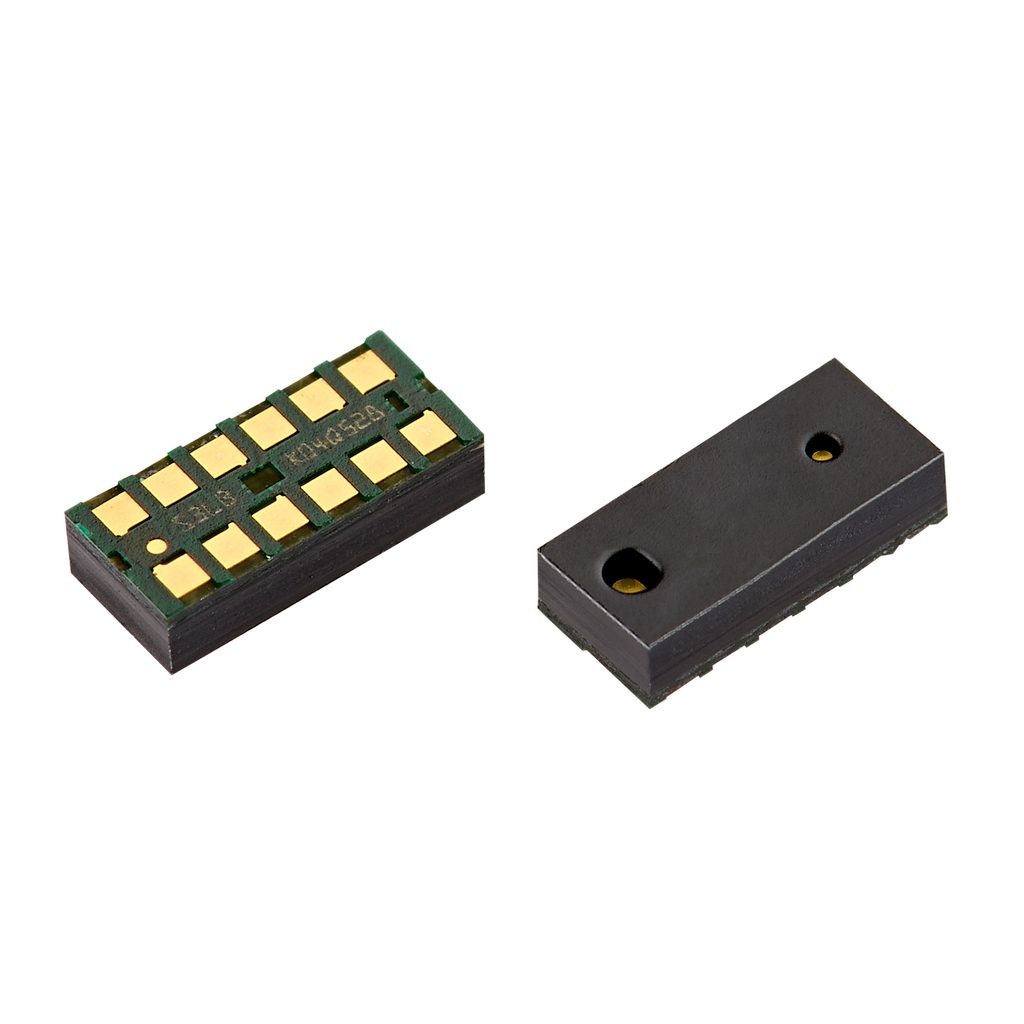
STMicroelectronics has introduced the VL53LB, a direct Time-of-Flight (dToF) sensor that can measure distances from less than 5mm to beyond 8 metres. Despite its compact size, it can detect multiple objects within its field of view, giving smartphones, robots and industrial systems more information about the space around them.
A Time-of-Flight sensor works by transmitting light then analysing the time for which it takes to bounce back from an object. Objects can then be recognised and located remotely. The feature can be used within a smartphone for image capturing and auto-focus. Sensors can also be used for occupancy and collision avoidance, plus location and non-contact user interfaces.
Whilst adding such features, the manufacturers aim to avoid both enlarging their products and also depleting batteries. To achieve this, the VL53LB has been developed in a 4.0 x 1.8 x 1.0mm package, 30 percent smaller than the prior generation. ST also claims that it extends the sensor’s reach and halves the power usage when actively measuring distance. And in ultra low power mode, it uses as little as 50µW. Therefore it is appropriate for use in products that wish to analyse their environment yet still optimise battery life.
The sensor is combined in one unit consisting of CMOS, 940nm infra-red illumination and on-board intelligence. This streamlines the product design and facilitates device incorporation. It is also compatible with new mobile platform communication protocol I3C.
Whilst the sensor can work in low light conditions, it can also function in bright environments up to 120kLux. Moreover, the sensor’s design is favourable for managing both electromagnetic interference (EMI) and electromagnetic compatibility (EMC). Unlike other ICs, metal can be dispensed with in a housing for the sensor, according to ST.
As part of ST’s fourth generation of single zone FlightSense tech, the VL53LB utilises the company’s own single photon avalanche diode (SPAD) technology. To date, ST has sold over 3 billion Time-of-Flight sensors using its FlightSense technology across the globe.
Alexandre Balmefrezol, Executive Vice President and General Manager of the Imaging Sub-Group at STMicroelectronics, concludes, “The VL53LB demonstrates how ST continues to evolve FlightSense technology while advancing our broader vision of transforming light into trusted data through intelligent optical sensing.”
Click here for the official announcement.
