




As humanoid robots enter the factory floor, manufacturers must focus on safety, staff readiness, infrastructure upgrades, and data strategies to unlock productivity gains without sacrificing people.
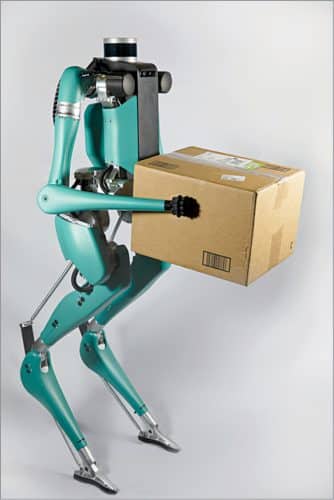
Humanoids are becoming a growing presence in manufacturing, with companies like Schaeffler, Amazon, and Microsoft deploying them for tasks such as material transport, kit assembly, and tote handling. ABI Research reports that 53% of manufacturers are in early adoption stages—indicating a major shift is underway.
These robots promise to reduce workplace hazards, eliminate boring, repetitive tasks, and increase operational accuracy—making factories safer and more efficient. However, widespread adoption remains a challenge due to the high cost of robots, reliance on costly rare earth materials, software-hardware compatibility issues, and lack of real-world training data.
To prepare for the long run, manufacturers are urged to secure buy-in across stakeholders. Educating senior leaders, IT teams, engineers, and floor workers on the long-term benefits—such as safer conditions and upskilling opportunities—is crucial. A solid change management plan with employee training and support reduces resistance and talent loss.
Operational readiness also plays a key role. Factories must assess which tasks can be automated and choose humanoid designs based on payload, dexterity, and mobility. Robots require a controlled environment, including safe zones, charging stations, and clear workflows to minimize ambiguity and ensure reliable operation.

Digital infrastructure must also be evaluated. Manufacturers need to ensure IT systems can integrate with robot platforms and support features like cloud connectivity, cybersecurity, and liability protections.
High-quality data collection is essential for successful deployment. Factories should compile video footage, sensor readings, motion logs, and operator demos to train robots using real, environment-specific inputs all in compliance with data governance.
Finally, a human-first approach is vital. Skill assessments, robotics training, and incentive programs can keep employees engaged. Pilot projects and a “human-in-the-loop” model—where humans supervise and guide robot behavior—ensure smoother, safer integration.
The future of manufacturing is human-robot collaboration. With thoughtful planning, factories can enhance productivity while valuing the people behind the machines.



