Cars need cameras that work fast, use little power, and see bright lights clearly. A new sensor makes cameras smaller, reliable, and adds smart parking detection.
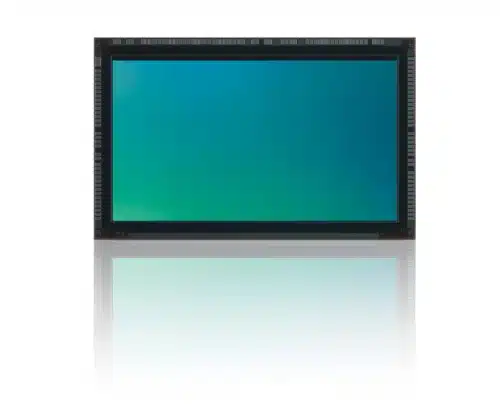
Automotive cameras face challenges in transmitting large amounts of image data reliably and quickly to vehicle control units. Systems must handle high-bandwidth, low-latency, and error-free communication while keeping camera modules compact, energy-efficient, and thermally manageable. Detecting bright objects like red LEDs, performing low-light imaging, and supporting parking surveillance with minimal power consumption are also critical needs. Traditional designs require external serializer chips for high-speed transmission, which add size, complexity, and power demands.
The IMX828 sensor addresses these challenges by integrating a high-speed MIPI A-PHY interface directly into the image sensor. This removes the need for external serializers, enabling smaller, more energy-efficient cameras with simpler thermal design. Sony’s proprietary error handling circuit reduces transmission errors caused by external noise, improving reliability in automotive applications.
With 8 effective megapixels and industry-leading high dynamic range (HDR), the sensor accurately captures bright objects like red traffic signals and LED taillights, even under high-temperature conditions up to 125°C, while maintaining stable noise performance. In parking mode, it detects moving subjects at low power, sending alerts to the ECU and switching to normal imaging when motion is detected.
For advanced computer vision, the IMX828 can capture dual HDR images with different exposures to improve low-light performance and reduce motion blur. It is developed with Mobileye and complies with AEC-Q100 Grade 2 certification, ISO 26262 functional safety standards (hardware ASIL-B, development ASIL-D), and ISO/SAE 21434 cybersecurity requirements, including CMOS authentication, image tamper detection, and secure communication verification.
Sony plans to extend this flexible, open-standard interface strategy to future sensors, supporting other high-speed transmission standards and enabling innovation in next-generation automotive cameras.