A clinical study found smartwatch biosignals can predict fainting episodes up to five minutes before they happen, helping users prevent falls and injuries.
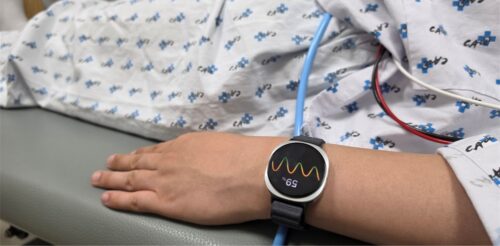
Samsung says a joint clinical study with Chung-Ang University Gwangmyeong Hospital has demonstrated that biosignals collected through the Samsung Galaxy Watch6 can predict vasovagal syncope (VVS) with high accuracy, potentially giving patients advance warning before a fainting episode occurs.
The study found that the Galaxy Watch6, using its photoplethysmography (PPG) sensor and an AI-powered algorithm analyzing heart rate variability (HRV), was able to predict vasovagal syncope episodes up to five minutes in advance. In clinical testing, the model achieved an accuracy of 84.6%, with a clinically significant sensitivity of 90% and a specificity of 64%, highlighting its potential as an early-warning tool for people at risk of sudden fainting.
Vasovagal syncope is a condition in which a person’s heart rate and blood pressure suddenly drop, often triggered by factors such as intense stress, resulting in a temporary loss of consciousness. Although fainting episodes are usually not life-threatening, the sudden falls they can cause may lead to serious secondary injuries, including fractures, concussions, and other physical trauma. Because of these risks, early detection and prediction are considered critical for prevention and patient safety.
The research team evaluated 132 patients with suspected vasovagal syncope during medically induced fainting tests, using the Galaxy Watch6 to continuously collect biosignal data throughout the evaluations. Researchers then analyzed the HRV patterns to determine whether physiological changes preceding fainting could be identified in advance.

The results suggest wearable technology could play a meaningful role in preventive healthcare by helping users and clinicians detect warning signs before fainting occurs, creating opportunities for intervention that could reduce injury risk and improve patient outcomes.
Samsung Electronics says it plans to continue enhancing the health-monitoring capabilities of its wearable devices while strengthening collaborations with leading medical institutions. Through these efforts, the company aims to drive further innovation in digital health and accelerate the adoption of more personalized, preventive healthcare solutions.
“This study is an example of how wearable technology can help shift healthcare from being designed for ‘post-care’ to a model of ‘preventive care,’” said Jongmin Choi, Head of Health R&D Group, Mobile eXperience (MX) Business, Samsung Electronics. “We are committed to driving technological innovation that empowers our users to lead healthier everyday lives.”