





Can a moving vessel detect low flying drones at sea? A radar upgrade aims to strengthen maritime threat awareness.
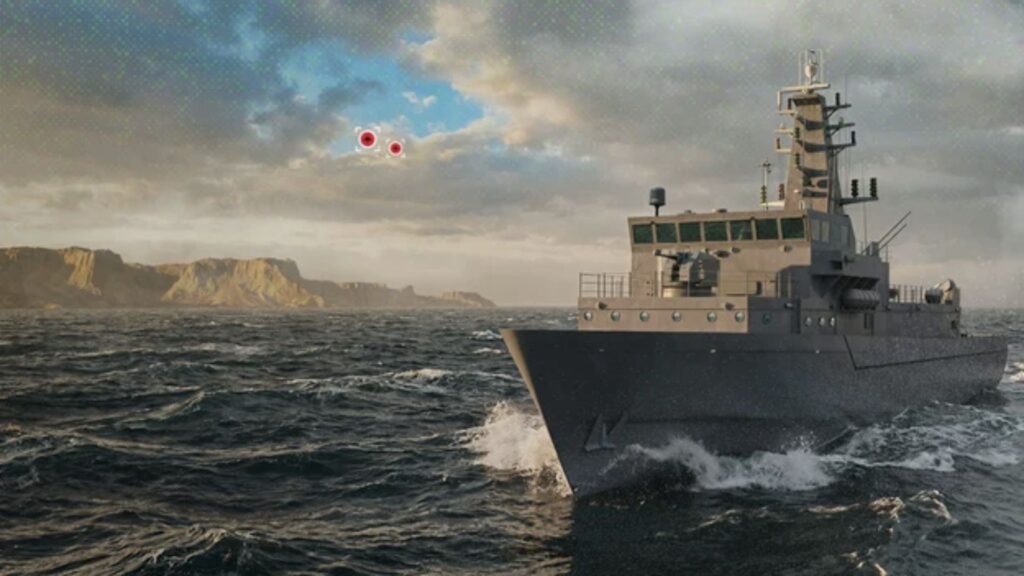
Robin Radar Systems has announced IRIS On The Move (OTM) at Sea, an upgraded version of its drone detection radar designed for maritime environments. The system extends the company’s existing mobile counter UAS capability to ports, harbours, vessels, offshore assets, and critical shipping infrastructure.
The upgrade comes as maritime operators face growing concerns over drone activity around strategic shipping routes and coastal infrastructure. Unlike conventional radar systems designed primarily for large vessels and aircraft, IRIS is built specifically to detect, track, and classify small unmanned aerial systems operating close to the water surface.
The maritime version is intended to provide persistent situational awareness while vessels are in motion. It can operate on ships travelling at speeds of up to 54 knots and is engineered to withstand harsh marine conditions through corrosion resistant construction, resonance tolerance, and electromagnetic compatibility compliance.
A key advantage of the system is its ability to function in dynamic maritime environments. Software enhancements compensate for vessel movement, coastal conditions, and heavy sea clutter, helping isolate small airborne targets that might otherwise be difficult to detect against reflections from the water.

The platform is based on the company’s IRIS On The Move technology, originally developed for deployment on land vehicles travelling at speeds exceeding 100 km/h. The latest update adapts the radar for maritime operations without requiring changes to the underlying hardware.
The radar can detect and classify a range of drone types, from hovering multicopters to fixed wing systems travelling at speeds of up to 100 metres per second. Existing operators will be able to add the maritime capability through software updates without replacing deployed systems.
According to Siete Hamminga, CEO of Robin Radar Systems, shipping lanes, ports, harbours, and offshore assets are increasingly exposed to low cost aerial threats, creating demand for rapidly deployable sensing systems capable of operating across both land and sea environments.
Click here for the official announcement.

