By correcting distortion, the lithography platform could make high volume production of advanced electronics more reliable. How?
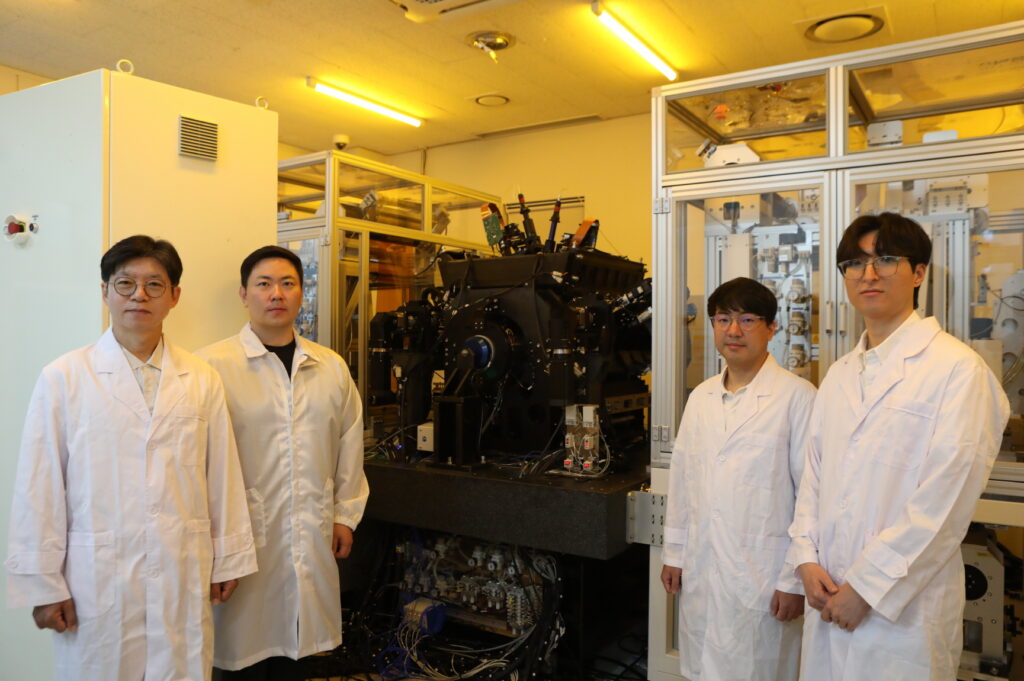
Researchers at the Korea Institute of Machinery and Materials (KIMM) have developed a roll to roll digital lithography system that continuously patterns flexible electronic materials while correcting distortion in real time. The technology combines maskless digital lithography with high precision web transport, offering a potential route to high volume manufacturing of next generation flexible electronics.
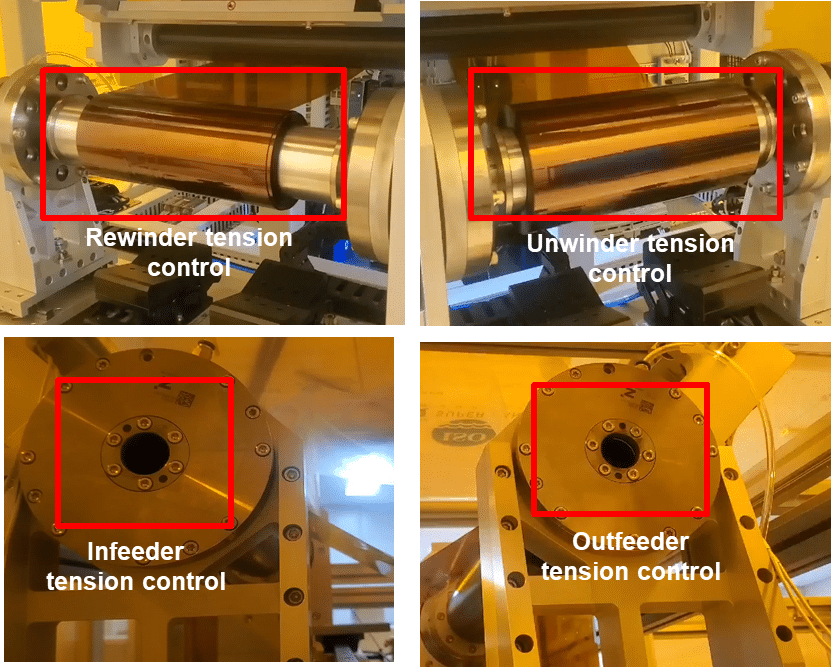
Manufacturing flexible electronic devices presents unique challenges because thin substrates can stretch, deform or shift during processing. The KIMM system overcomes these limitations by exposing moving flexible substrates directly as they pass over a rotating roller. Using a Digital Micromirror Device based ultraviolet exposure system, together with vision based monitoring and ultra precision motion control, it continuously measures substrate deformation and web transport errors, adjusting the projected pattern in real time. This enables line widths below 10 micrometres even during continuous manufacturing.
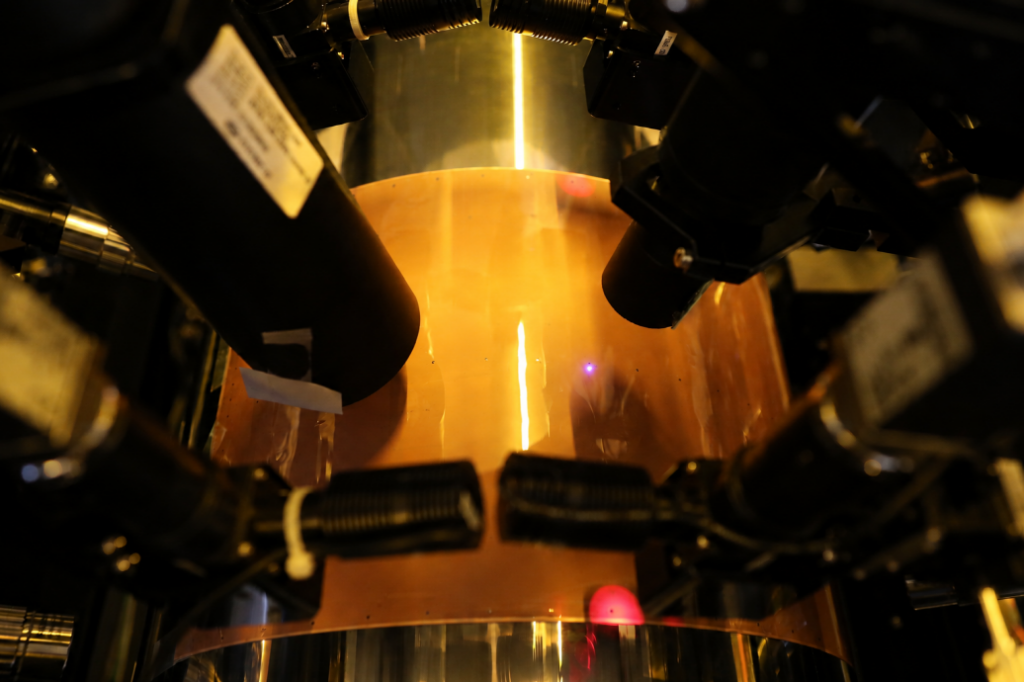
Another advantage is the elimination of conventional photomasks. Instead of fabricating physical masks for every design, exposure patterns are created and modified through software, reducing both production time and manufacturing costs. The continuous roll to roll process also allows large areas of flexible material to be patterned without interrupting production.
The researchers believe the platform could support the manufacture of flexible printed circuit boards, high resolution flexible electronics and advanced semiconductor packaging. The same approach could also be extended to digital exposure processes for patterned roll surfaces in other industrial applications.
“The roll to roll digital lithography system is a key platform technology for the mass production of flexible electronic devices. We expect it to be used in a wide range of applications, including flexible printed circuit boards, high resolution flexible electronics and semiconductor packaging,” says Dr Won Seok Chang, Director of the Nano Convergence Manufacturing Research Division at KIMM.