




Constant password prompts can interrupt productivity and slow workflows. A new biometric authentication solution seeks to make secure access quicker while keeping sensitive credentials protected on the device itself.
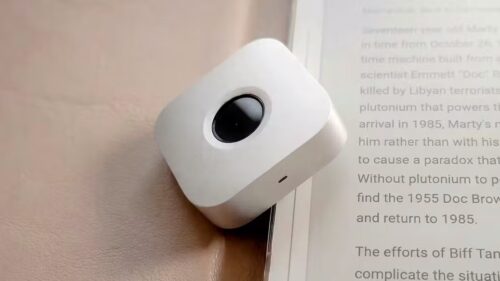
Immurok has developed a biometric authentication solution that streamlines secure access on macOS and Linux desktops by replacing repeated password entry with fingerprint verification. Designed for developers, IT professionals and privacy-conscious users, the device performs all fingerprint matching directly on the onboard sensor, ensuring biometric data never leaves the hardware.
Rather than transmitting fingerprint templates to a computer or cloud service, the device stores them securely within its own hardware. Once a fingerprint is verified, encrypted Bluetooth Low Energy communication is used to authenticate requests, allowing users to approve administrator actions without repeatedly entering passwords.
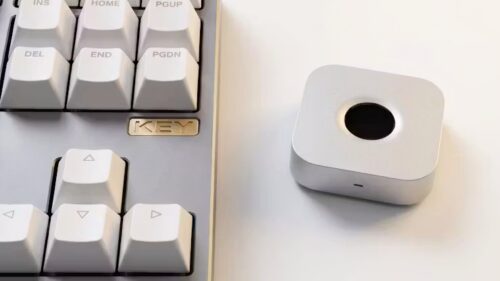
The solution integrates with existing authentication frameworks on both macOS and Linux. Linux users can authorise sudo commands and privileged operations through PAM, while macOS users can authenticate administrator prompts and supported lock-screen actions. It can also operate as a hardware SSH agent, securely generating and storing cryptographic keys so private keys remain protected from the host computer.
To strengthen security further, the system includes an encrypted vault capable of storing API tokens, passwords and one-time password seeds. These credentials are only released after successful fingerprint authentication. The developers also designed the platform to support AI-assisted coding workflows by requiring physical biometric approval before autonomous agents execute privileged commands or access protected credentials.
The hardware is based on a low-power RISC-V microcontroller paired with a capacitive fingerprint sensor capable of storing multiple fingerprints. Bluetooth 5.4 provides wireless connectivity, while a rechargeable battery is designed to deliver weeks of operation between charges. According to the developers, several hardware revisions significantly reduced standby power consumption to approximately 40 microamps.
Security measures include cryptographically signed firmware updates, challenge-response authentication and an anti-tamper mechanism that automatically erases stored credentials and enrolled fingerprints if the enclosure is physically opened. Built as an open-source hardware and software project, the solution aims to provide a transparent alternative to proprietary desktop biometric authentication systems.
The developers expect to launch the project through a crowdfunding campaign in August 2026, with pricing details to be announced closer to release.
Click here for original announcement.


