




A compact HMI reference design showcases how ultra-low-power touch sensing, autonomous LED control, and strong moisture immunity can elevate appliance interfaces from kitchen hoods to robots while reducing system load and improving energy efficiency.
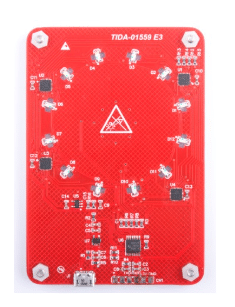
The TIDA-01559 Human Machine Interface (HMI) reference design is developed by Texas Instruments (TI) for applications that demand reliable capacitive touch performance, highly efficient LED lighting control, and extremely low standby power consumption. It is especially valuable in home appliances and compact industrial systems where designers must balance stringent EMI performance, moisture immunity, and low-power operation with increasing expectations for enhanced user experience. This design is relevant for equipment such as kitchen exhaust hoods, cooktops, refrigerators, freezers, vacuum robots, elevators, and other appliances where responsive touch interfaces and visually appealing LED feedback are critical.
By combining an ultra-low-power microcontroller with a programmable LED control engine, the reference design demonstrates how to create robust and visually rich HMIs without burdening system resources or compromising energy efficiency. It highlights how modern HMI subsystems can help manufacturers differentiate their products through smoother lighting transitions, durable interfaces, and reliable operation under challenging environmental conditions such as moisture, humidity, or electrical noise.
At the core of this reference design is an efficient architecture that minimizes MCU workload by shifting LED pattern generation to an autonomous lighting engine. This allows the controller to operate in deep low-power modes for longer periods, achieving exceptionally low quiescent current—critical for power-sensitive appliances. Because the LED driver can independently execute preset lighting patterns, overall system current consumption is significantly reduced while maintaining consistent visual feedback. The design also incorporates robust diagnostic and protection features that align with regulatory and safety requirements for home and industrial appliances. By combining hardware and firmware optimizations, the system ensures reliable capacitive touch detection, stable LED operation, strong moisture immunity, and long-term durability under demanding usage conditions.
The solution integrates an ultra-low-power capacitive-touch controller designed for high sensitivity and noise-immune detection across up to 16 buttons or proximity-sensing inputs, supporting the diverse interface needs of modern appliances. Its touch technology maintains responsiveness even in environments affected by moisture, oils, or condensation. Alongside this, a programmable multi-channel LED driver enables the creation of smooth, complex lighting effects using internal SRAM and dedicated LED engines that run independently of the MCU for improved power efficiency. A compact low-dropout regulator further supports system stability by providing clean, low-noise power with minimal quiescent current. Together, these elements form a cost-effective, feature-rich, and energy-efficient HMI subsystem that eases certification challenges, enhances product reliability, and accelerates development for next-generation appliance designs.
TI has tested this reference design. It comes with a bill of materials (BOM), schematics, assembly drawing, printed circuit board (PCB) layout, and more. The company’s website has additional data about the reference design. To read more about this reference design, click here.

