




See how engineers can make sensor systems using ready tools, processing, and safety features for cars and industrial machines.
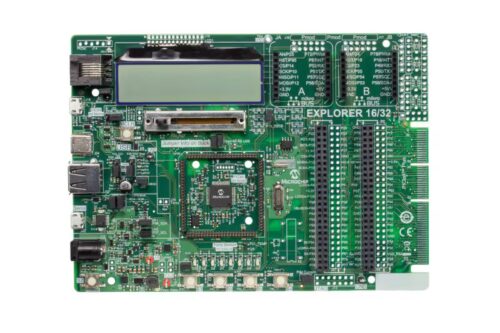
Modern automotive and industrial systems rely on an increasing number of sensors to improve functionality, safety, and performance. Designing these systems requires microcontrollers that can handle complex sensor signals, implement safety mechanisms, and meet industry standards. The dsPIC33 Digital Signal Controllers (DSCs) are specifically designed for these advanced sensor interfacing and control applications, supporting compliance for industrial use.
The DSC family provides a high-performance CPU with a built-in Digital Signal Processor (DSP) engine. This enables deterministic, real-time response for applications that require fast and reliable signal processing. Engineers can implement math-intensive digital signal conditioning algorithms efficiently while taking advantage of integrated advanced analog, functional safety, and security features.
To help engineers achieve design goals, Microchip offers comprehensive functional safety packages. These packages support developers at different expertise levels and stages of the design process. They include certified FMEDA reports, safety manuals, safety reference applications, ISO 26262- and IEC 61508-compliant schedulers, certified diagnostic libraries, and safety analysis reports.
The reference design demonstrates an advanced sensor interfacing and control application following ISO 26262 functional safety steps. It covers the full design flow, including item definition, hazard analysis and risk assessment, safety goal definition, functional and technical requirement specification, and implementation of safety mechanisms in hardware and software. The design includes a subset of safety features required in real-world applications, providing engineers with a practical starting point for developing compliant systems.
This reference application also illustrates the integration of MPLAB Code Configurator (MCC)-generated application code with diagnostic libraries and peripheral drivers. It implements a co-operative scheduler, one MCAL driver, and functional safety diagnostics for sensor applications. Engineers can leverage these components to streamline the development process and focus on system-level design rather than low-level implementation details.
Using DSCs in such designs offers several advantages for engineers: system-level cost optimization, a clear understanding of functional safety principles, guided adherence to ISO 26262 processes, effective integration of safety diagnostics, and simplified achievement of safety goals using built-in hardware safety features. This reference design provides a practical framework for engineers to develop safety-critical applications efficiently while meeting automotive and industrial standards.
Microchip has tested this reference design. It comes with a bill of materials (BOM), schematics, assembly drawing, printed circuit board (PCB) layout, and more. The company’s website has additional data about the reference design. To read more about this reference design, click here.

