hospital workflows, reduce staff burden, and create more human-centered robotic systems for future medical environments.
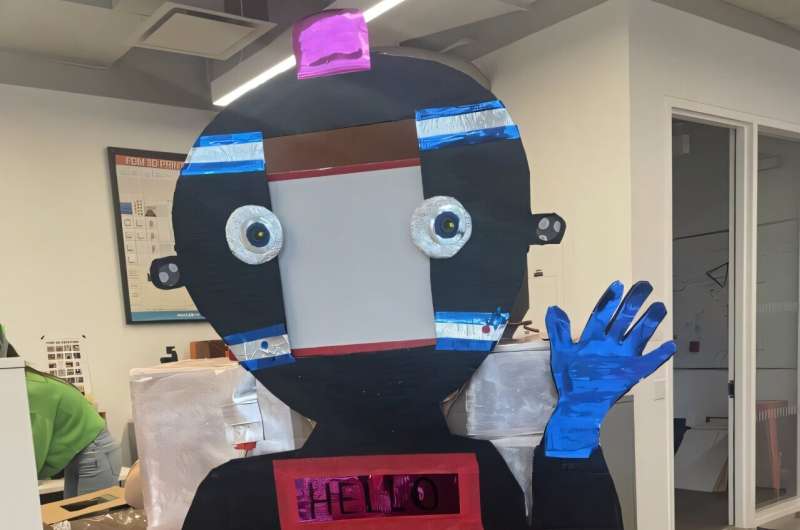
A Cornell Tech-led research team has developed a new approach to healthcare robotics by involving nurses, doctors, long-term care residents, and community members directly in the robot design process. The study aims to ensure that future healthcare robots solve practical problems inside hospitals rather than introducing technology disconnected from real clinical needs.
Presented at the 2026 ACM CHI Conference on Human Factors in Computing Systems, the project brought together 22 participants over a 14-week co-design program at Cornell Tech’s MakerLAB. Instead of beginning with robotic capabilities, researchers first examined the everyday frustrations experienced by healthcare staff and patients across emergency departments, sleep clinics, and rehabilitation centers.
The teams developed several prototype healthcare robots tailored for specific environments. One concept featured a bear-shaped robot capable of delivering medical kits to patient rooms before doctors arrive, helping nurses save time during emergencies. Another prototype used calming lights and concierge-style guidance to assist patients navigating sleep clinics during nighttime procedures. A third robot focused on long-term rehabilitation care by providing entertainment, daily schedules, and companionship to reduce feelings of isolation among residents.
Researchers found that robots were most effective when handling repetitive, non-clinical tasks, allowing healthcare professionals to focus on patient interaction, empathy, and medical decision-making. The study also highlighted the importance of designing robots around real-world constraints such as hallway space, hygiene, safety, patient comfort, and noise levels—factors often overlooked during early-stage robotics development.
The findings arrive as hospitals increasingly explore robotics and AI technologies to address staff shortages, rising patient loads, and burnout. Industry momentum is already visible through autonomous telehealth robots and robotic logistics systems being tested in healthcare facilities worldwide.
Public reaction to healthcare robots, however, remains mixed. Online discussions show growing interest in robots assisting with delivery, cleaning, and repetitive hospital tasks, while concerns persist around patient trust, emotional care, safety, and overreliance on automation in sensitive medical environments.