

Delhi has cut power losses from over 50 per cent to around 5–6 per cent through smarter metering, grid upgrades and better billing.
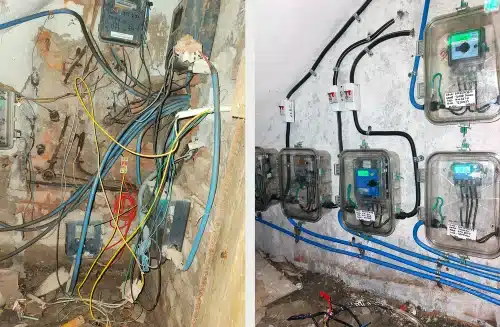
In 2002, Delhi’s electricity distribution system was losing more than half of the power entering some of its networks before it was effectively billed. More than two decades later, losses in the city’s major distribution areas have fallen to around 5–6 per cent. The transformation combined metering, network upgrades, automation, billing reforms and enforcement rather than relying on a single technology.
The turnaround began with the 2002 restructuring and privatisation of the Delhi Vidyut Board’s distribution operations. Tata Power-DDL took over distribution in north and north-west Delhi, while BSES operates through BRPL and BYPL across other parts of the city.
At the time, Tata Power’s distribution area had combined technical and commercial losses of about 53.5 per cent, while BSES faced losses of 51.5 per cent in South Delhi and 63.1 per cent in East Delhi. Tata Power-DDL currently describes its opening loss level as about 53 per cent and reports AT&C losses of 5.42 per cent in FY 2025–26.
One of the earliest changes was replacing older electromechanical meters with electronic meters and subsequently introducing more advanced metering and data systems. Tata Power-DDL says its modern distribution network now incorporates advanced distribution management, GIS, automated metering infrastructure and smart-meter data integration.
The physical network was upgraded at the same time. Insulated cables, improved transformers, capacitor banks, voltage-control equipment and automated monitoring helped utilities reduce technical losses and improve network control. SCADA and later distribution-management systems also gave operators greater visibility of network conditions.
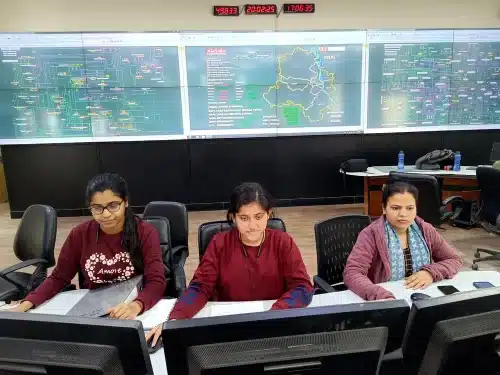
The utilities also addressed the commercial side of the problem. Billing and collection systems were strengthened, consumer records were improved, and digital payment channels made it easier for customers to pay electricity bills. The changes were accompanied by enforcement against electricity theft and efforts to improve consumer engagement.
The results extended beyond losses. Delhi’s grid reliability index rose from around 70 per cent in 2002 to more than 99.9 per cent in 2026, while peak electricity demand has roughly tripled, reaching 8748 MW in 2026.
BSES’s eastern distribution company, BYPL, provides another indication of the change. Its official figures show AT&C losses falling from 63.16 per cent in 2002 to 6.02 per cent in FY 2024–25. BRPL also publishes division-wise AT&C-loss data through its regulatory disclosures.
The improvement is significant compared with several other Indian states. Recent figures cited in the account put losses in Himachal Pradesh, Madhya Pradesh, Maharashtra and Telangana at roughly 17–23 per cent, although these figures represent different distribution systems and should not be directly treated as equivalent to an individual Delhi DISCOM’s latest figure.
The experience also shows why smart meters alone are unlikely to reproduce Delhi’s results. “Sustainable loss reduction cannot happen through technology alone,” Abhishek Ranjan, CEO of BSES Rajdhani Power, said in the account. He attributed the longer-term improvement to a combination of technology, operational accountability and consumer engagement.
The same approach is now being pursued nationally through the Revamped Distribution Sector Scheme (RDSS). The scheme was designed to improve distribution efficiency, reduce AT&C losses and support the installation of prepaid smart meters. The government originally envisaged 250 million prepaid smart meters under the scheme.
As of January 2026, the Ministry of Power reported that 40.5 million smart meters had been installed under RDSS, with 54.4 million installed under RDSS and other schemes combined.
Delhi’s experience therefore offers more than a smart-metering story. Its reduction in AT&C losses came from measuring electricity more accurately, upgrading the physical network, analysing consumption, improving billing and collection, and maintaining the systems over many years. For utilities now deploying smart meters and digital grid infrastructure across India, the case demonstrates how those technologies can become part of a much broader distribution reform programme.
For more information, click here.