Extreme heat memory chip operates at high temperatures, enabling Venus missions, deep drilling, and durable electronics for extreme environments.
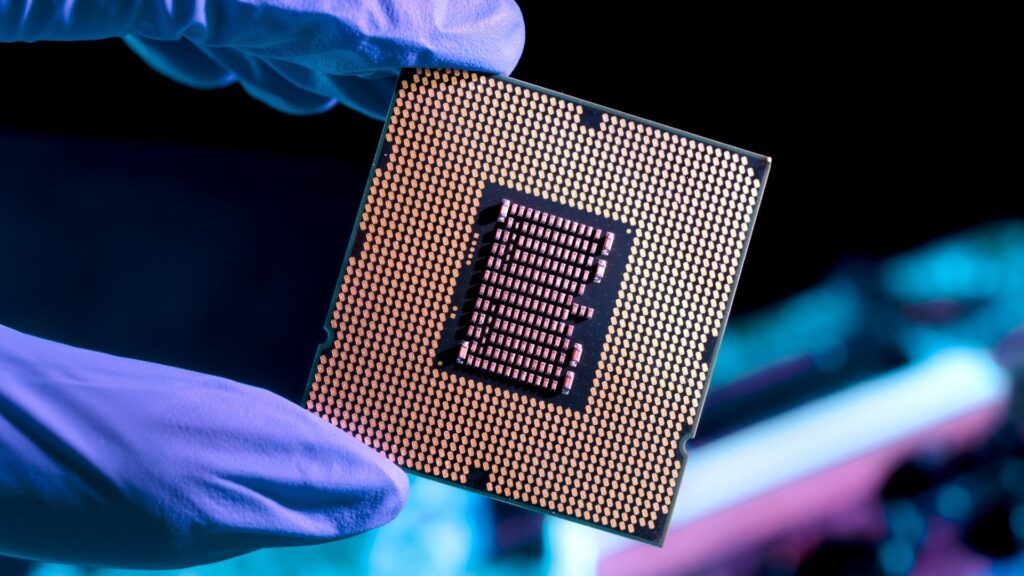
Researchers at the University of Southern California have developed a groundbreaking memory chip capable of operating at extremely high temperatures, potentially transforming electronics used in space exploration and energy industries. The device can function at temperatures up to 1,292°F (700°C), far exceeding the limits of conventional electronics, which typically fail around 392°F (200°C).
The new chip showed no signs of performance degradation during testing, with researchers noting that the temperature limit was determined by their equipment rather than the device itself. This breakthrough could open new possibilities for operating electronics in environments previously considered too harsh, such as deep-space missions, geothermal drilling, and nuclear energy systems.
At the core of the innovation is a nanoscale component known as a memristor, a device that can both store data and perform computations. The chip is constructed using a layered structure of tungsten, hafnium oxide ceramic, and graphene. Tungsten, chosen for its exceptionally high melting point, forms the top electrode, while graphene serves as the bottom electrode.
The memory chip demonstrated remarkable performance, retaining data for over 50 hours at extreme temperatures without requiring refresh. It also endured more than one billion switching cycles while operating at just 1.5 volts, with switching speeds in the nanosecond range.

Interestingly, the discovery was partly accidental. In typical devices, high temperatures cause metal atoms to migrate through the material, eventually creating a short circuit. However, graphene prevented this failure by stopping tungsten atoms from bonding to it, allowing them to disperse instead of forming a damaging connection.
This technology could be especially valuable for missions to Venus, where surface temperatures exceed the limits of traditional electronics. Beyond space, it could improve reliability in high-temperature industrial settings. Additionally, the memristor’s ability to perform computations efficiently makes it promising for artificial intelligence applications, potentially enabling faster and more energy-efficient processing systems.