A new hydrogen membrane works at low heat, cleans hydrogen quickly and purely, uses less energy, and helps make future hydrogen technologies easier and greener.
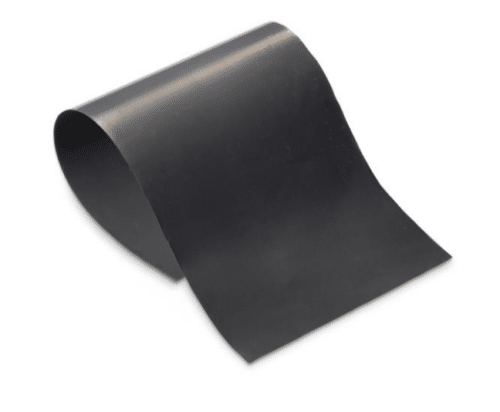
TANAKA PRECIOUS METAL TECHNOLOGIES Co., Ltd. has developed HPM-L111, the world’s first palladium hydrogen-permeable membrane that achieves high hydrogen permeation at low temperatures around 100°C. This innovation enables fast, high-purity hydrogen purification at much lower temperatures than before, reducing energy use and supporting the growth of next-generation hydrogen technologies worldwide.
A palladium hydrogen-permeable membrane is a thin membrane made from a palladium alloy that can absorb and allow hydrogen to pass through, and it is widely used to separate and purify high-purity hydrogen. Traditionally, metal membranes require high temperatures—at least 300°C—to achieve effective hydrogen permeation. TANAKA applied a special surface treatment to develop a metal membrane capable of high hydrogen permeation performance at temperatures at or below 100°C.
Among PdCu alloy membranes, the existing product PdCu40 (60% palladium, 40% copper) shows the highest hydrogen permeation performance, but it requires high-temperature operation around 400°C to reach full performance, which increases costs due to additional heating equipment. With recent advancements in hydrogen technologies, there is a growing need for metal membranes that function at low temperatures. In conventional membranes, hydrogen penetration slows significantly below 200°C, reducing overall performance and limiting practical applications.
HPM-L111 addresses these challenges using TANAKA’s proprietary surface treatment, developed through years of precious metal research. Minute jagged structures on the membrane surface increase the specific surface area, boosting hydrogen penetration speed and achieving significant improvements in low-temperature hydrogen permeation (100°C or lower).
Expected applications of high-purity hydrogen permeation at low temperatures include hydrogen sensors, fuel cells, and hydrogen removal in vacuum equipment. In sensors, it can improve detection accuracy by isolating interfering gases. In vacuum equipment, it allows hydrogen removal while maintaining an operating environment near room temperature or in a low-temperature range. By eliminating the need for heating to at least 300°C, this technology also reduces energy consumption, contributing toward carbon neutrality.