





What if bacteria could sort critical metals faster? This protein screening method can map binding behavior at scale, hinting at shifts in supply chains.
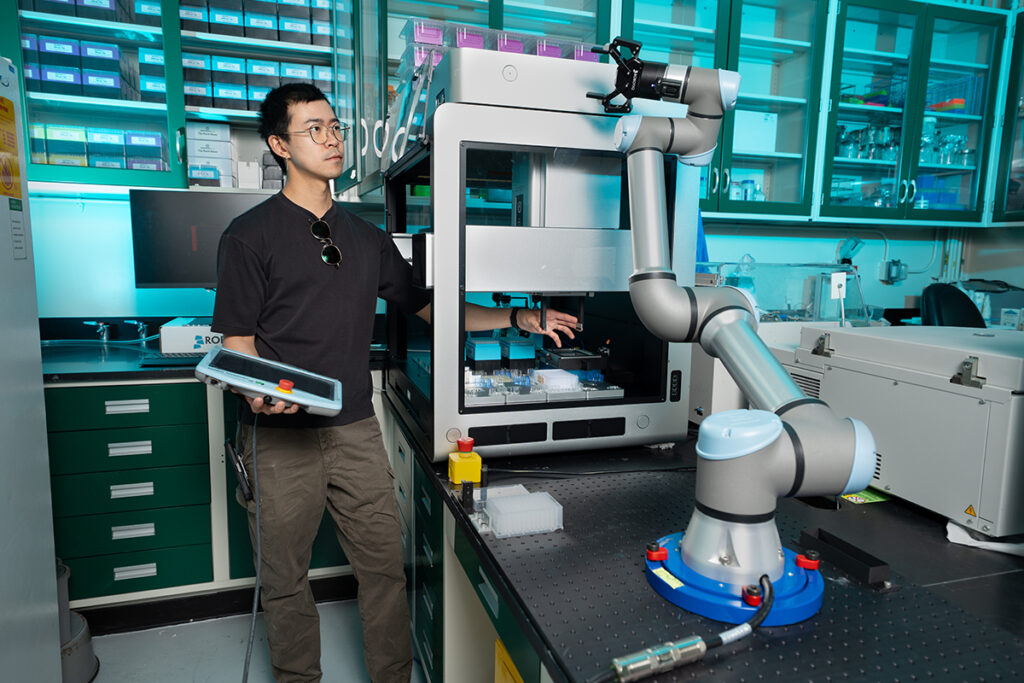
Researchers at Lawrence Livermore National Laboratory (LLNL) developed a high throughput screening platform that enables them to analyse how proteins selectively bind rare earth elements at a scale previously not practical. These elements are widely used in magnets, batteries and electronics, but their separation remains a complex and resource intensive process.
The work focuses on lanmodulin, a class of bacterial proteins that naturally bind rare earth elements. While these proteins are considered promising for biomining and separation technologies, studying them has traditionally involved slow, multi step workflows that limit scalability.
The method developed called SpyCI LAMBS, removes key bottlenecks by eliminating the need for protein purification and enabling parallel testing. “It only took about a month to collect 600 proteins’ worth of data with this new assay,” says Patrick Diep, scientist at LLNL. “It would have taken three to five years with the usual process.”
The platform uses a molecular binding approach to immobilise proteins directly onto test surfaces, allowing multiple variants to be screened simultaneously across different rare earth elements. This enables rapid comparison of binding selectivity within large protein families.
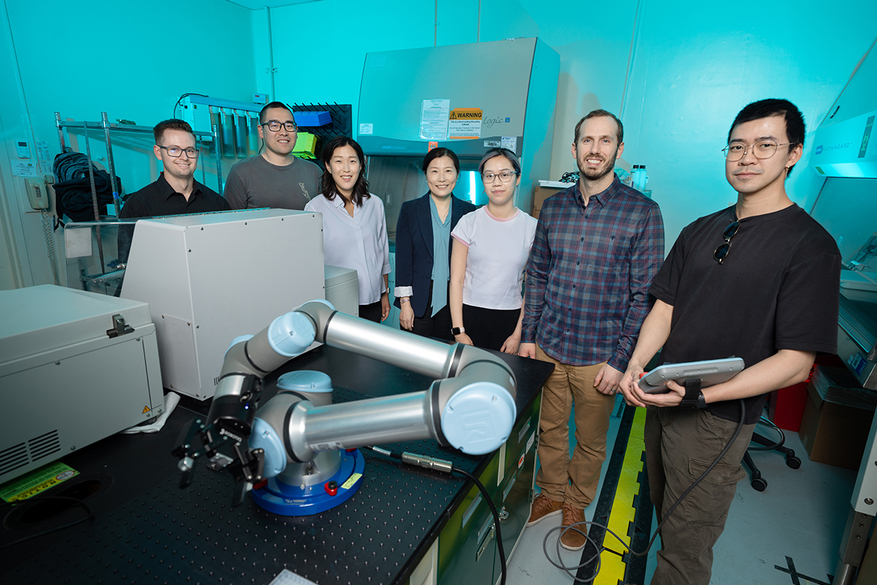
Initial findings identified several clusters of lanmodulin proteins with distinct metal binding preferences. Some variants demonstrated improved selectivity and were able to perform separations that are typically more complex. “We found versions of the protein that were better than what we knew before going in,” says Dan Park, senior author of the study.
Beyond experimental gains, the platform is also generating datasets for machine learning. “The approach opens the door to predictive, data driven design of metal selective proteins,” says Yongqin Jiao, co-author of the study.
While currently focused on rare earth elements, the method could be extended to other critical metals, potentially supporting broader material recovery and supply chain applications.

