




Quantum-safe drones use advanced encryption to secure UAV communications against evolving cyber threats and quantum attacks.
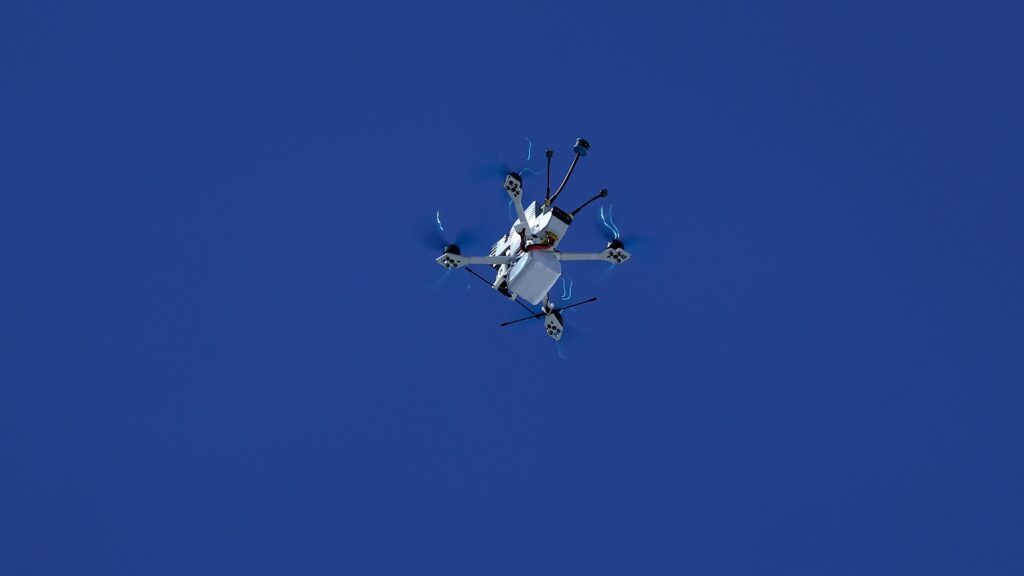
European defense companies have taken a major step toward future-proof military technology by successfully testing what they describe as the world’s first quantum-safe drones. Developed by STV Group a.s. in partnership with Post-Quantum, the new drone platform is designed to protect sensitive data from both current cyber threats and those posed by future quantum computers.
The system was recently trialed at a weapons testing facility in the Czech Republic and is now being prepared for deployment in allied defense operations. By combining combat-tested unmanned aerial systems with advanced post-quantum encryption, the platform aims to secure communication links between drones and their operators, especially in high-risk environments.
Modern drone missions depend heavily on secure data transmission, including video feeds, images, and flight information. However, in conflict zones such as Ukraine and the Middle East, these communications are constantly threatened by electronic warfare tactics like signal jamming, interception, and GPS disruption. As drone usage expands into coordinated swarms and multi-domain operations, ensuring secure and reliable communication has become increasingly critical.
At the core of this innovation is Classic McEliece, a code-based encryption algorithm widely regarded as resistant to attacks from both classical and quantum computers. While the method has been studied for decades, its large key size has traditionally limited its use in compact systems like drones. The developers claim to have overcome this challenge by adapting the algorithm for real-world deployment, even in denied or disrupted communication environments.
The platform encrypts all mission-critical data, including full-motion video and operational metadata, ensuring that even if transmissions are intercepted, they remain secure.
Looking ahead, the companies plan to introduce this technology across allied defense programs in phases, with further testing in active operational environments. The system’s design could also be extended to other unmanned platforms, including ground and maritime systems.
This development reflects a growing shift in defense strategy, where safeguarding data against future quantum threats is becoming just as important as defending against today’s cyber risks.

