

New automotive chipsets process unfiltered ultrasonic data at the source, enabling sharper AI-driven perception and smarter low-speed driving decisions
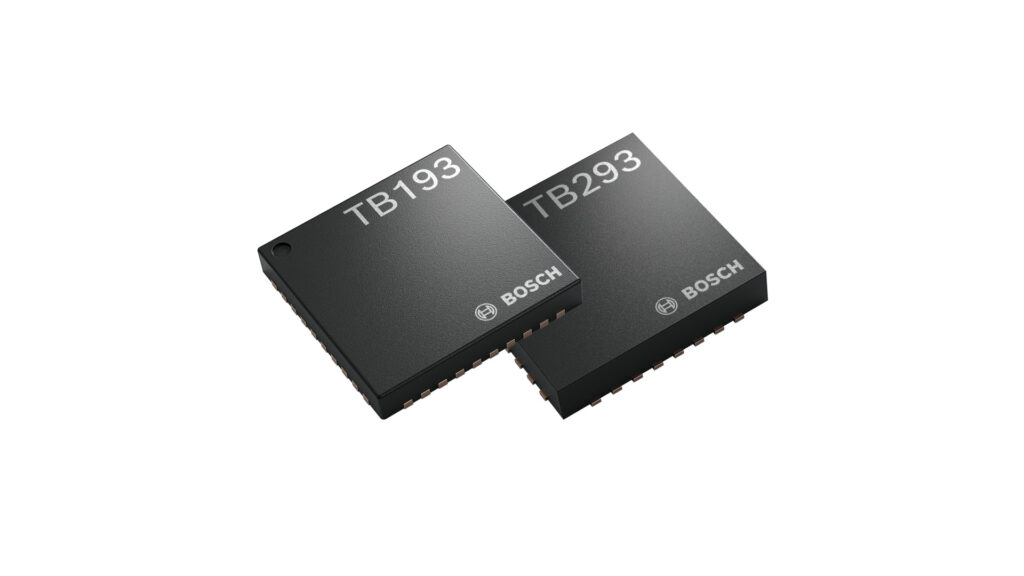
Automotive sensing is moving closer to the source, with a new generation of ultrasonic chipsets from Bosch aiming to improve how vehicles perceive their immediate surroundings. Designed for AI-based driver assistance, the latest solution focuses on capturing raw sensor signals directly, unlocking richer datasets for parking and close-range driving scenarios.
The key features are:
- Direct capture of raw ultrasonic sensor data for higher accuracy
- Dual-chip architecture separating sensing and control functions
- High data rate (up to 1.16 Mbps) for real-time processing
- Open sensor interface for flexible system integration
- Up to 50% lower power consumption and reduced wiring complexity
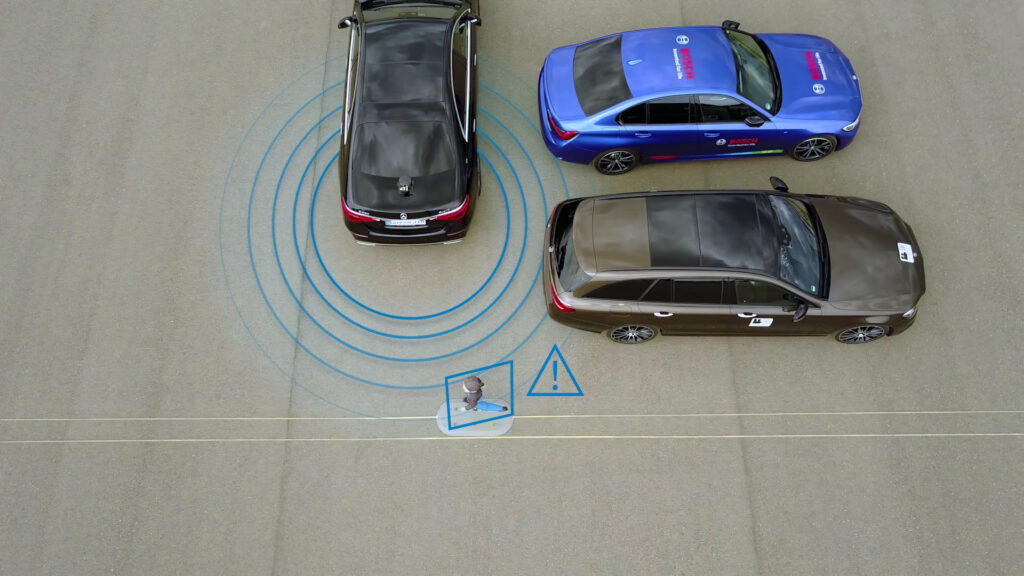
Unlike conventional systems that rely on preprocessed inputs, the new architecture collects unfiltered ultrasonic data directly from the sensor. This significantly enhances signal fidelity, allowing AI algorithms to interpret complex environments with greater accuracy. The result is improved object detection, whether identifying curbs, tightly parked vehicles, or obstacles in dense parking structures.
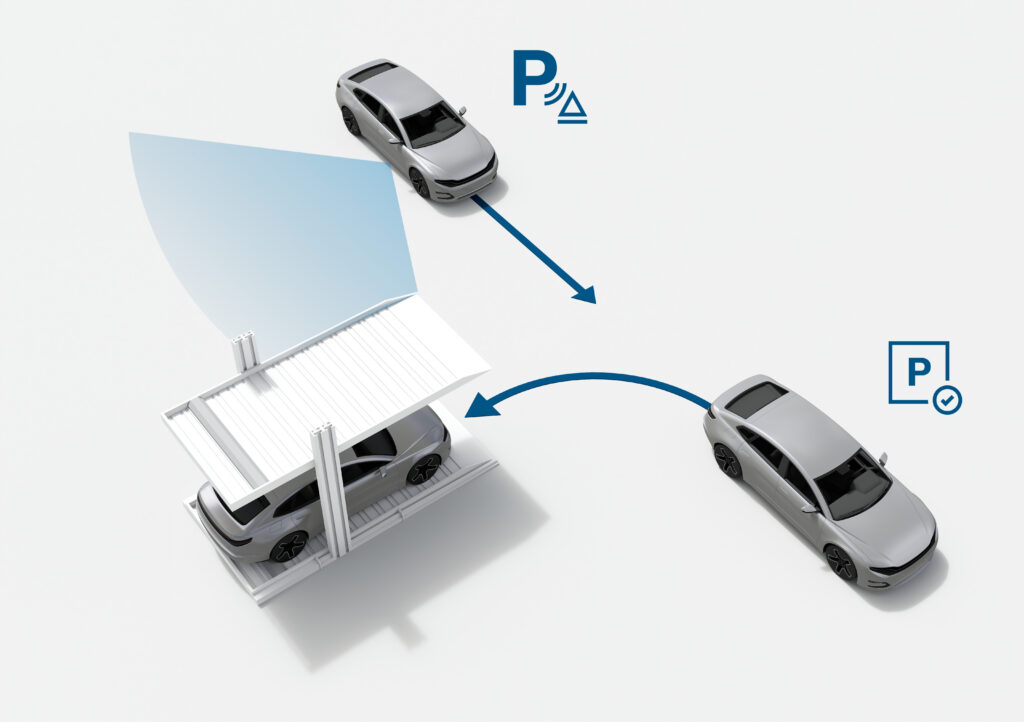
The approach is particularly relevant for modern parking assistants, which must operate reliably in constrained urban spaces. Access to raw data enables better recognition not only of objects but also of surface conditions such as wet or uneven ground, helping systems make more informed braking and manoeuvring decisions.
At the hardware level, the solution adopts a dual-chip design. One chip captures sensor-level signals, while the other manages control and data processing. This division supports scalable deployment across vehicle segments and aligns with the shift toward centralised, software-defined vehicle architectures. High-speed data transmission ensures that large volumes of sensor data are transferred in real time without loss, supporting advanced sensor fusion with cameras and radar.
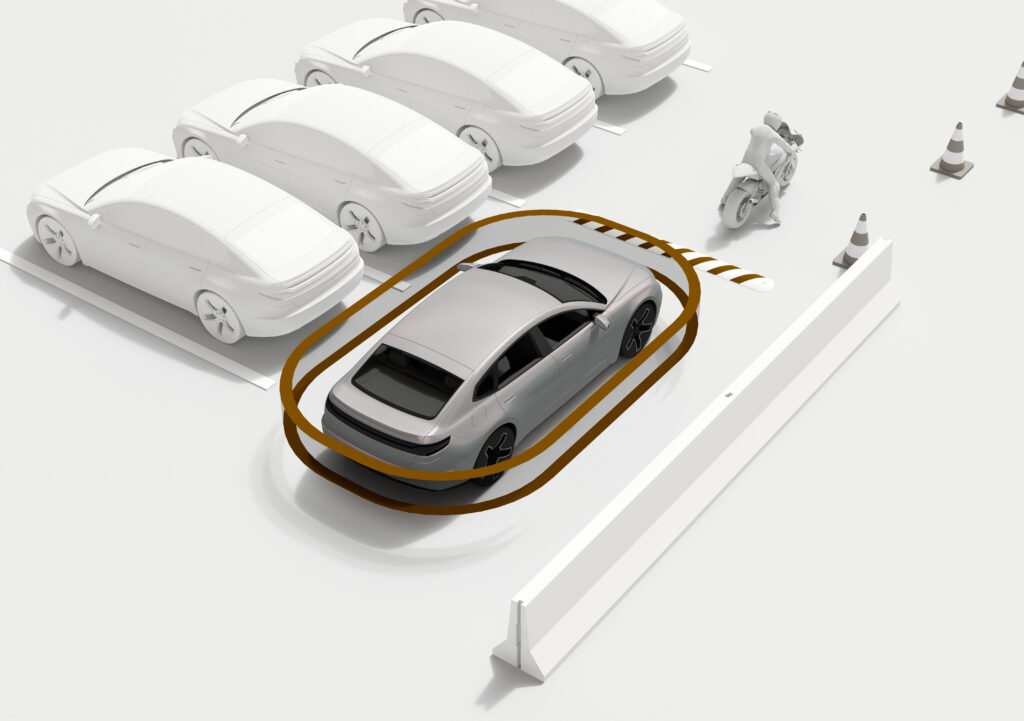
The introduction of an open interface further expands automakers’ flexibility, enabling easier integration with diverse sensor ecosystems. Combined with reduced power consumption and simplified wiring, the chipset is positioned to support both current ADAS features and future automated driving capabilities.
As vehicles move toward higher levels of autonomy, the ability to process richer, real-time data at the edge is becoming critical. Ultrasonic sensing, often overlooked compared to radar and vision systems, is now gaining renewed importance as a precise and energy-efficient solution for close-range perception.
Click here for the original announcement.