A next-generation development environment is reshaping how engineers design and deploy intelligent embedded systems — merging AI workflows, runtime profiling, and multi-core debugging into a seamless experience that accelerates innovation from edge to cloud.
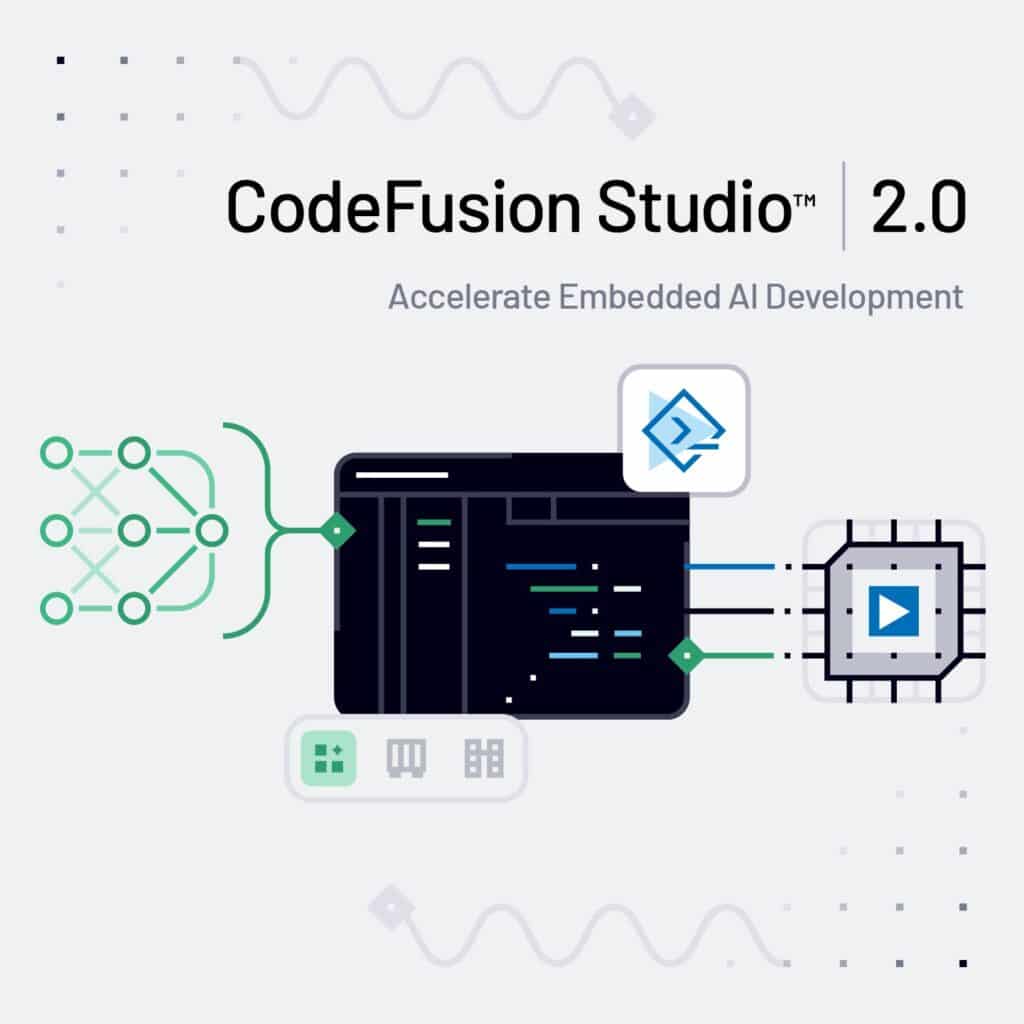
Analog Devices has launched CodeFusion Studio 2.0, an upgraded open-source platform that aims to simplify and accelerate embedded AI development. The new release transforms how developers design, test, and deploy intelligent systems by unifying AI workflows and integrating deeper system-level tools across ADI’s processors and microcontrollers.
At its core, the platform brings an end-to-end AI workflow that allows developers to use their own trained models, test performance, and deploy efficiently across heterogeneous systems — from low-power edge devices to high-performance digital signal processors (DSPs). Built on Microsoft’s Visual Studio Code, the platform now includes a model compatibility checker, performance profiler, and automated optimization tools, enabling developers to reduce trial-and-error in deployment and improve time-to-market.
The key features include:
- Zephyr-based modular framework introduced for advanced AI/ML runtime profiling
- Enables layer-by-layer performance analysis for deeper system insights
- Enhances visibility into real-time system behavior and model execution
- Streamlines AI deployment across heterogeneous platforms
- Eliminates toolchain fragmentation, simplifying embedded AI development
For system designers, the platform also strengthens its System Planner with unified configuration tools and multi-core support, ensuring consistency across ADI’s hardware ecosystem. The inclusion of Core Dump Analysis and GDB debugging further simplifies troubleshooting, offering a cohesive development experience from concept to deployment.
The upgrade underscores the company’s broader push toward “Physical Intelligence” — embedding real-world perception and reasoning into machines that operate at the edge. The company’s roadmap envisions even tighter integration between hardware and software, allowing developers to deploy and evaluate AI models on ADI platforms without needing physical boards.
For more information, click here.