


Factories struggle with rising energy costs and limited machine-level data. A sensor kit can help track energy use, detect issues, and improve efficiency in real time.
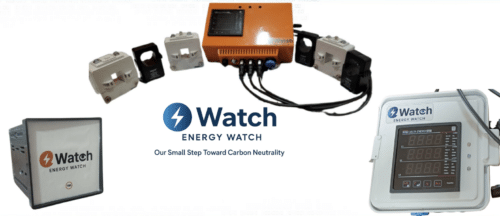
Rising energy costs are a growing challenge for industries. Many factories and plants struggle because they only know total energy consumption, without seeing which machines use the most power or when spikes occur. Limited visibility makes it hard to reduce costs, optimize processes, and improve return on investment.

The eWatch Energy Monitoring Sensor Kit from Tranquility IoT & Big Data Solutions (TIBS) addresses these problems directly. This easy-to-retrofit kit can be installed on any machine or control panel in less than 15 minutes, even by non-technical staff. Once installed, it provides real-time, machine-level energy data. It tracks how long machines run with a job loaded, how long they are idle, and even how long they remain shut down. This helps managers identify inefficiencies and optimize shop-floor processes.
The eWatch sensors also detect current and voltage spikes, giving early warnings for potential electrical maintenance issues. Additional sensors, like temperature or pressure sensors, can be integrated into the same kit, offering a complete picture of machine health and energy usage.
The sensors support a wide range of currents, from 1A up to 1000A per phase, with customizable CT diameters for different cables or bus bars. Data can be transmitted using wired or wireless protocols, giving flexibility for different industrial setups. The system can measure over 40 energy parameters, allowing deep insights into energy consumption patterns and machine performance.

Beyond the eWatch sensor kit, TIBS Inc. also offers other energy management solutions. The Smart Meter Wireless Adaptor converts legacy meters into IoT-enabled devices, while the Solar Remote Monitoring and Control System tracks solar grid-tie inverters and allows remote control of connected devices. TIBS also provides Transformer Monitoring Systems for continuous monitoring of oil level, temperature, and load, helping electricity boards and manufacturers reduce downtime and improve maintenance efficiency.
Together, these solutions help industries reduce energy costs, improve efficiency, and make data-driven decisions for smarter, sustainable operations.