What if your backup data could survive even if Earth-based infrastructure fails? One startup believes storing critical information in orbit may be the next step for backup systems.
As concerns grow over the vulnerability of terrestrial data centers to physical attacks, an Indian space tech startup TM2Space Technologies Pvt Ltd. is betting that the future of data backup may lie hundreds of kilometres above Earth.

The Hyderabad-based startup, which is developing orbital computing infrastructure, has introduced a new service that allows organisations to store critical data on satellites in low Earth orbit. The offering, called Orbit Vault, is aimed at sectors such as banking, financial services, and defence, where data availability and security are considered mission-critical.
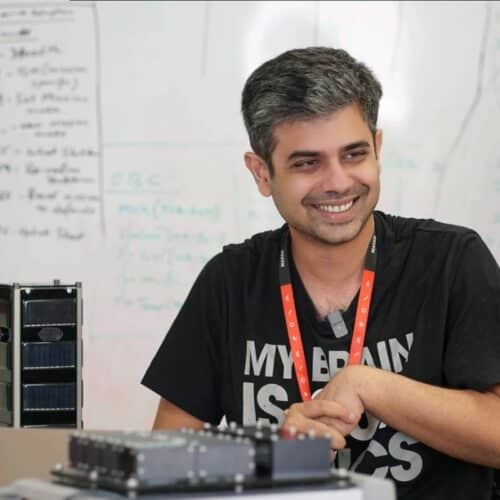
In a recent conversation, Ronak Kumar Samantray, Founder of TM2Space Technologies Pvt Ltd., pointed to a growing concern around the security of physical digital infrastructure during geopolitical conflicts. “Data centres have become military targets as we have seen in the wars going on in the Middle East. The need for space-based data storage is increasing as organisations look for ways to protect information from disruptions on the ground,” Ronak said.
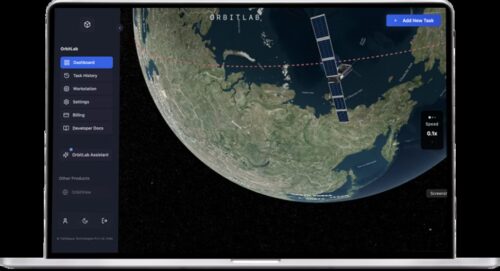
OrbitVault operates on the company’s satellite platform and enables customers to upload and synchronise data directly to storage systems in orbit. The service is designed to act as an off-Earth backup layer for information that organisations cannot afford to lose.
Interestingly, the startup is also pitching orbital storage as a solution for digital assets and cryptographic credentials. Ronak suggested that users could store highly sensitive information, including cryptocurrency keys, on satellites rather than keeping them in conventional storage systems. The company plans to charge approximately $400 per terabyte per month for the service.
OrbitVault is part of the startup’s broader vision of building data centres in space. The company is developing satellites equipped with computing and storage capabilities and plans to offer both processing power and storage as on-demand services..
The concept of orbital data centres is attracting growing interest globally as AI-driven computing demand continues to rise. Several companies in the United States and Europe are exploring similar ideas, ranging from space-based computing platforms to orbital storage systems.
For the Indian startup, however, the immediate opportunity lies in positioning space as a secure destination for backup infrastructure. As enterprises look for new ways to protect critical information from cyber threats, physical attacks, and infrastructure disruptions, the company believes that the next generation of disaster recovery systems may no longer be confined to Earth.