India’s new CCTV rules mark a decisive shift from cheap, large-scale deployments to security-first surveillance. As STQC certification kicked in from April 1, 2026, non-compliant systems are now on a path of salvation, and the industry is rethinking the ‘seeing’ ability.
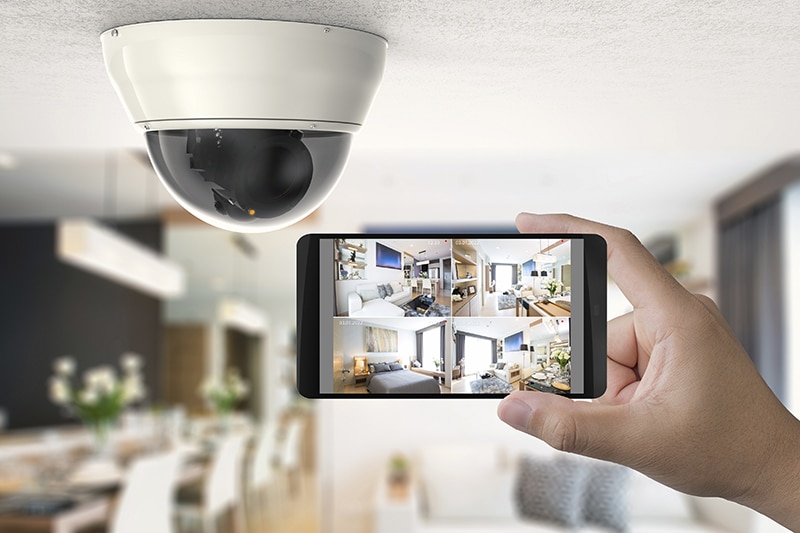
Upar wala sab dekh raha hai! For years, this line was popularised in CP Plus TV advertisements. It was widely regarded as an ironic reminder of surveillance in everyday life, but now it raises a more uncomfortable question: Who exactly is doing the watching?
CCTV cameras that connect to the internet are now everywhere; they are part of our homes, offices, shops, and public infrastructure. As a result, concerns about data access, remote control, and overseas dependencies have grown.
Global cybersecurity incidents have shown that poorly secured IoT devices, including IP cameras, can become entry points for unauthorised access and network breaches. Recorded footage is now connected, networked, and, in many cases, remotely accessible.
The policy reset
EFY raised the alarm about this issue in December 2023 and discussed how open CCTV ports can harm the country’s security, an assessment that proved to be an eye-opener. Against this backdrop, the government has now tightened the rules.
From April 1, 2026, the government has effectively barred any CCTV or surveillance system that does not meet the notified essential requirements from being manufactured, imported, or sold.
Certification is now mandatory through the Standardisation Testing and Quality Certification (STQC) Directorate, and the process extends far beyond basic performance checks.
Devices are evaluated for their ability to resist tampering, secure communications through encryption, maintain firmware integrity, and avoid exposing vulnerable interfaces. In several cases, testing includes simulated cyberattacks and attempts to access hardware ports, replicating real-world threat scenarios. If a device fails these tests, it cannot enter the market.
In Delhi, Public Works Department (PWD) Minister Parvesh Verma said on April 1 that CCTV cameras sourced from Chinese firm Hikvision would be gradually replaced across the city.
The enforcement is already visible in the national capital, as authorities have begun phasing out nearly 140,000 cameras linked to Hikvision, with approximately 50,000 units cleared for replacement in the first phase.
A computer with a lens