How can EV chargers handle rising thermal loads? Liquid-cooled power modules improve heat management while protecting electronics from demanding operating conditions.
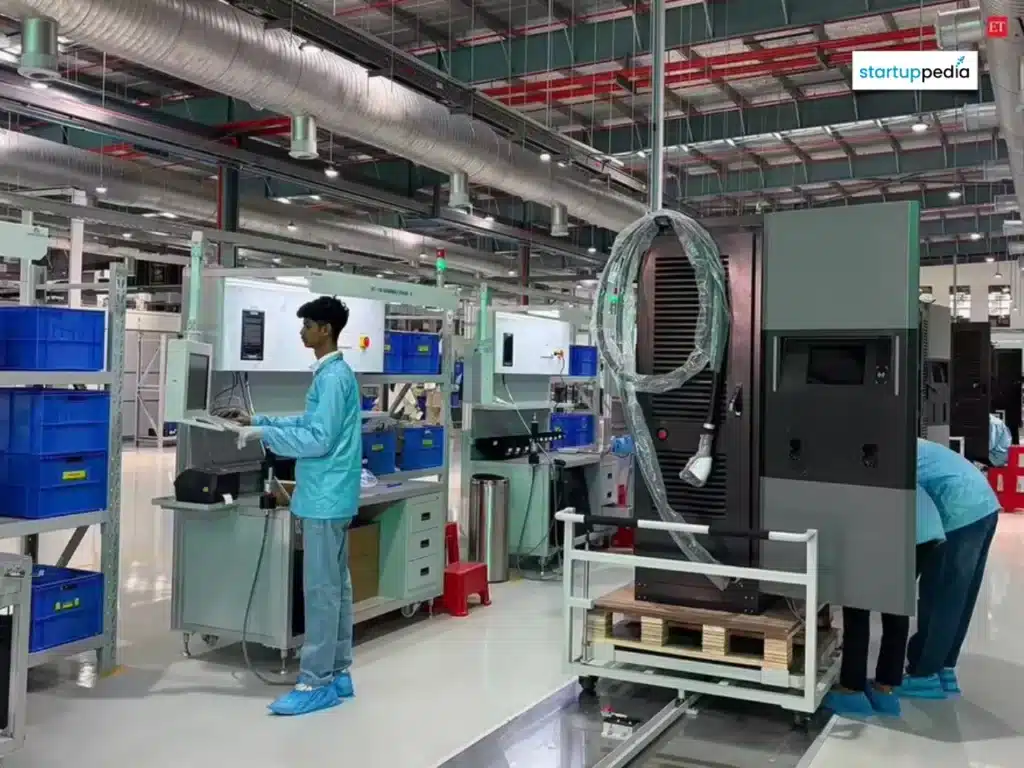
Gurugram-based Exicom-Tele Systems has started manufacturing liquid-cooled AC and DC power modules for EV chargers at its Hyderabad facility. The company said the modules were the first of their kind manufactured in India for EV charging applications.
The modules are designed to address heat generated by power electronics during high-power charging. As charging systems handle more power, the amount of heat generated by components also increases, making thermal management important for maintaining reliable operation.
Instead of relying only on air to remove heat, the modules use a liquid coolant to transfer heat away from the power electronics. Exicom said the technology can keep internal temperatures around 10°C lower. Lower operating temperatures can help reduce thermal stress on components and support more consistent operation during charging.
The liquid-cooled design also uses a sealed architecture that helps protect internal electronics from dust, moisture, and salt air. This can be useful for EV charging equipment installed outdoors and exposed to varying environmental conditions.
The modules are being used initially in DC charging systems, including Tritium’s TRI-FLEX ultra-fast DC chargers and DC-FLEX charging systems. Exicom also plans to incorporate the liquid-cooled architecture into its Harmony DC chargers.
The technology builds on liquid-cooling capabilities developed by Tritium and now integrated into Exicom’s EV charging portfolio. By combining liquid-based heat transfer with a sealed power-electronics architecture, the modules are intended to support the thermal requirements of higher-power charging systems.
As EV charging moves towards faster charging and higher power levels, thermal management is becoming an increasingly important part of charger design. Liquid cooling offers an alternative to conventional air-cooled approaches by allowing heat to be removed directly from high-power electronic components while providing additional environmental protection.