




Can India turn semiconductor approvals into production quickly? CDIL is scaling packaging capacity with three new OSAT lines.
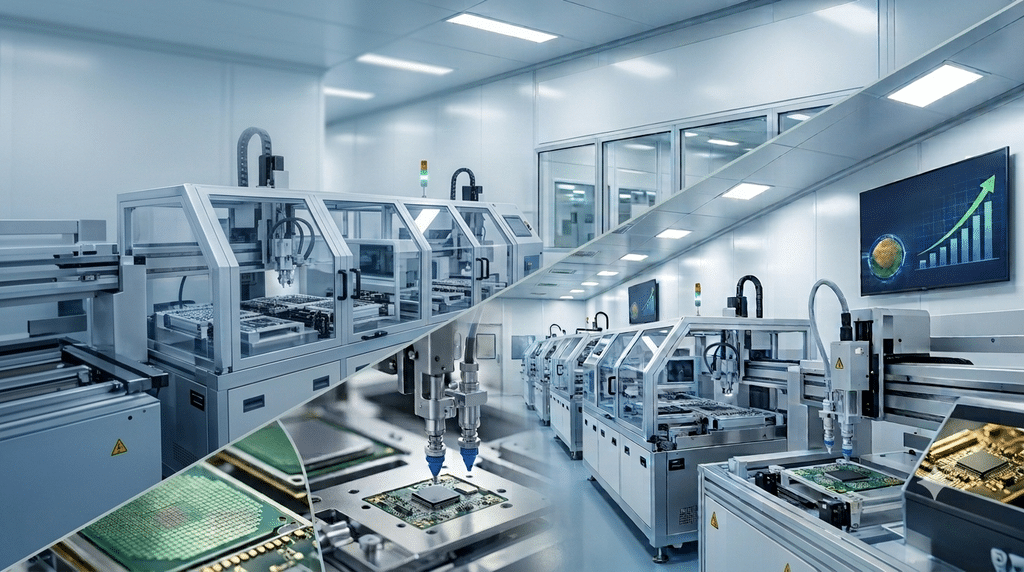
Continental Device India Limited (CDIL) is expanding its semiconductor packaging capacity with three new production lines. Its first line was set up within 10 months of receiving approval under India’s semiconductor programme.
In an exclusive interaction with EFY, Pankaj Gulati, President of CDIL, said, “Within 10 months of the approval, we had the first production line in position. The second production line will be running in 13 months, and the third one will start three months from now.” The company expects all three lines to be operational within roughly 18 months.
CDIL has focused on semiconductor assembly and testing after closing its wafer fabrication operations in 2008–09. It is now targeting higher production volumes through both its OSAT business and its own semiconductor brand, with production planned for Indian and international markets.
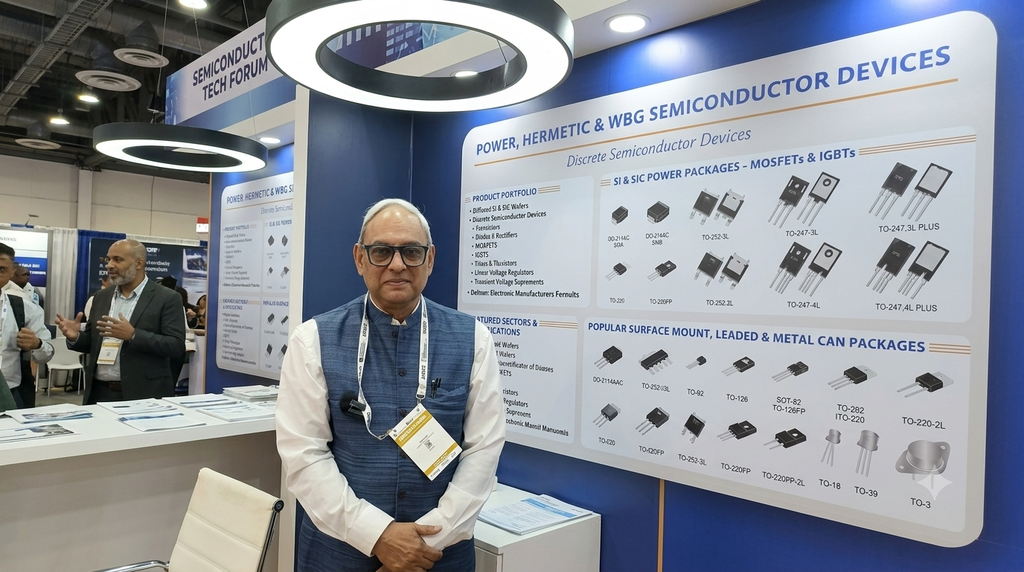
While CDIL sees no major technological bottleneck in scaling its manufacturing, Gulati identified materials and industry-ready talent as two major gaps in India’s semiconductor ecosystem. He said the company runs its manufacturing flow in-house at its Mohali plant, covering dicing, die bonding, encapsulation, testing, and packing.
What will it take for India’s growing semiconductor packaging capacity to build a deeper domestic supply chain? How quickly can materials, equipment, and talent catch up? In a longer interaction, Gulati also discusses CDIL’s OSAT expansion, in-house packaging, silicon carbide capabilities, supply-chain gaps, talent challenges, and the need for more products to be designed domestically in India.

