




Built over five years by a small engineering team, the server combines in house hardware design with lower power consumption for AI workloads.
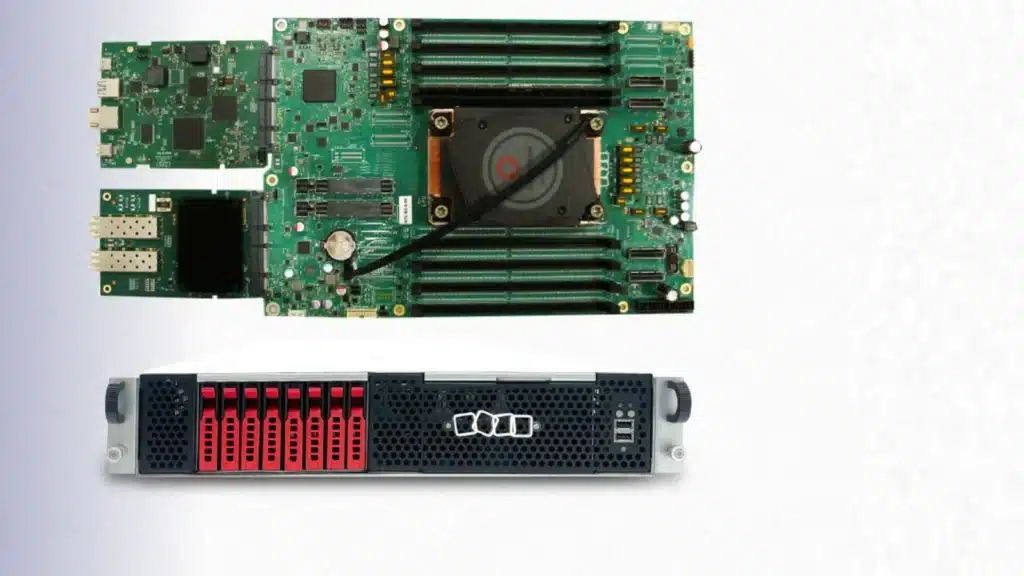
Zoho has unveiled Nathu La, a server platform designed in India to support AI inference, high performance computing, virtualisation, and storage workloads. Developed in-house and powered by Intel Xeon 6 processors, the platform marks the company’s entry into server hardware and places it among a limited number of firms designing server infrastructure with domestically owned intellectual property.
The system is aimed at improving data centre efficiency while supporting the growing computational demands of AI applications. According to the company, deployments using the platform can achieve comparable performance with 12 to 18 per cent lower power consumption and a 20 to 30 per cent reduction in total cost of ownership. These gains could also help lower the cost of running AI inference workloads.
Designed over a five year period, the platform incorporates customised power delivery subsystems, an in house Data Centre Secure Control Module (DC SCM), modular chassis options, and hardware rooted security features. The architecture supports the Open Compute Project framework, with an emphasis on modularity, thermal efficiency, and simplified maintenance.
The hardware engineering team also developed key modules, including the DC SCM and network interface card, while manufacturing is carried out through Indian electronics manufacturing partners. The company has filed five patents covering areas such as thermal management and cost optimised server architecture.
The platform is expected to be deployed across the company’s own data centres, where it will host cloud applications and AI services while optimising infrastructure for specific workloads.
“With our strategy of using contextual, right sized models running on our own platform, now on our own servers, accelerated by our own GPU database, we are compounding the benefits accrued from owning and operating our entire technology stack,” says Shailesh Davey, Chief Executive Officer.


