





New MIT-developed capsules use biodegradable radio-frequency antennas to signal ingestion, marking a step forward in real-time medication adherence monitoring via embedded electronics.
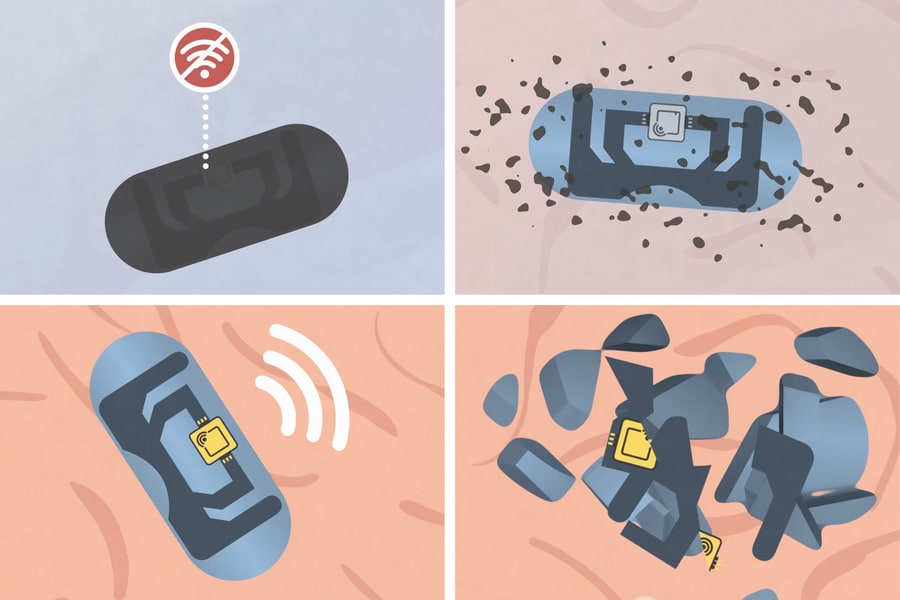
MIT engineers have unveiled an electronic pill system that actively communicates from inside the stomach to confirm when a dose has been taken, a breakthrough aimed at tackling poor medication adherence that costs lives and billions in healthcare expenses each year. At the core of the innovation is a biodegradable radio-frequency (RF) antenna integrated with a standard drug capsule. The device is engineered so that the antenna sends a signal detectable outside the body only after the pill has been swallowed and its external coating dissolves in gastric fluids. After transmission, most components naturally break down in the stomach, while a very small RF chip roughly 400×400 µm exits through the digestive tract.
The technology leverages safe, bioresorbable materials such as zinc and cellulose for the antenna and signals, reducing the risk of long-term internal accumulation. Such materials have well-established safety profiles in medical contexts. In preclinical tests using animal models, the RF signal was successfully read up to about two feet away by an external receiver. Researchers envision future systems where a wearable or handheld device receives the signal and relays adherence data to clinicians or caregiving systems, a potential boon for patient groups where missing doses can be especially dangerous (e.g., organ transplant recipients or those with chronic infections like TB or HIV).
Unlike prior ingestible sensors that remain in the body or rely on non-degradable components, this approach prioritizes minimal internal residue and straightforward integration with existing pills. The signal transmission occurs typically within 10 minutes of ingestion once the encapsulating coating dissolves. Researchers plan further preclinical work and eventual human trials, focusing on medications where adherence lapses can have severe consequences. While still early, this encapsulated RF electronics strategy highlights how ingestible tech and smart biomedical electronics could reshape remote patient monitoring and bring electronic verification directly into conventional drug delivery.

