




An indoor solar technology could turn room light into power, offering a way to run devices without relying on disposable batteries.
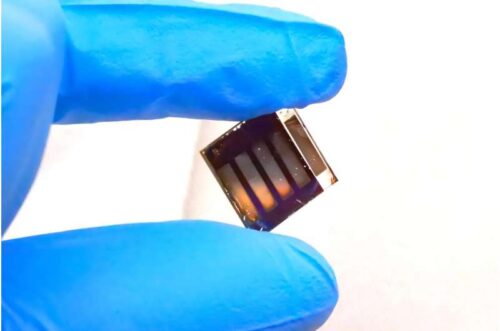
Researchers at The University of Queensland have developed a method for making lead-free indoor solar panels that could help power electronic devices in homes and offices while reducing toxic materials in manufacturing. The fabrication process removes the need for lead and solvents, addressing barriers to scaling perovskite solar technology for commercial use.
The vapor-based manufacturing process produces perovskite materials with fewer defects, allowing the solar cells to maintain performance without relying on harmful chemicals. Using this method, the indoor solar panels reached a power conversion efficiency of 16.36%, the highest reported for this type of lead-free perovskite indoor solar cell made with an industry-compatible evaporation process.
Indoor solar cells are designed to generate electricity from artificial light sources such as LEDs and fluorescent lamps. Unlike silicon-based indoor solar cells, which typically convert about 10% of available light into electricity, perovskite-based alternatives have shown higher efficiency and potential for commercial use.
Perovskite materials are considered suitable for indoor energy harvesting because of their light-absorbing properties, which help capture indoor light. However, many perovskite technologies still depend on lead-based compounds and solvents, raising environmental and safety concerns.
The lead-free technology is being explored as a replacement for coin-cell and button batteries in electronics such as environmental sensors, wearable devices, health-monitoring tools, and consumer products. By generating power from indoor light, the solar cells could reduce battery waste and reliance on disposable batteries.
One use is in electronic shelf labels used by retailers, which could replace paper price tags while reducing maintenance and battery replacement needs. With voltage regulation, the technology could also be adapted for other electronic systems that depend on battery power.
The thin solar panels can be manufactured on plastic substrates and shaped for integration into consumer electronics, making them suitable for devices where rigid solar panels would be impractical.
The next phase of development will focus on improving durability by protecting the perovskite material from oxygen and moisture, followed by testing aimed at preparing the technology for commercial deployment.

