




Advanced energy storage system technology targets higher capacity, improved efficiency, and scalable grid integration, aiming to strengthen the stability of renewable energy, reduce footprint, and support global demand for next-generation electrified infrastructure.
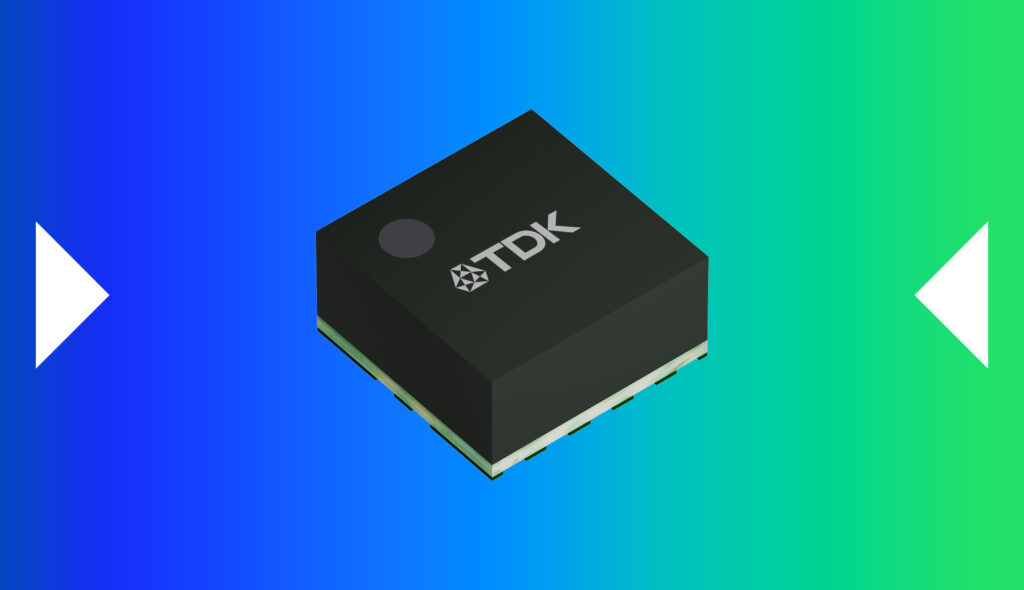
A new high-capacity energy storage system has been introduced by TDK Corporation, marking a significant step toward next-generation grid-scale power management. The solution is designed to address rising global demand for stable renewable integration, faster charging cycles, and more compact energy storage architectures suited for utilities, industrial facilities, and emerging electrification ecosystems.
The key features are:
- High energy density architecture for compact deployment
- Scalable design for utility and industrial applications
- Enhanced thermal stability for long-duration operation
- Improved charge-discharge efficiency with reduced energy loss
- Optimized system integration for renewable grid balancing
The system focuses on improving energy density while reducing overall system footprint, enabling more compact installations without compromising output performance. It is positioned to support renewable-heavy grids where managing intermittency is critical, particularly in wind- and solar-rich regions. The architecture also targets improved lifecycle efficiency, with enhanced thermal stability and optimised charge-discharge balancing for long-duration applications.
A key emphasis is placed on scalability, allowing deployment across multiple use cases from utility-scale grid balancing to industrial backup power and microgrid stabilisation. The system integrates advanced power electronics with high-performance storage cells to improve conversion efficiency and reduce energy loss during cycling.
Reliability improvements are also central to the design, with enhanced thermal management structures that support stable operation under high-load conditions. This is expected to extend operational lifespan and reduce maintenance cycles, a key requirement for large-scale installations. The launch comes amid accelerating global investment in energy storage infrastructure, driven by rising renewable penetration, data centre expansion, and electrification of transport systems. Industry trends indicate strong momentum toward higher-capacity cell formats and integrated system architectures that can deliver greater output with fewer physical installations.
Click here for the original announcement.


