

A new retro gaming console is using advanced FPGA technology to recreate classic hardware behaviour, enabling compatibility with original cartridges while reducing latency and improving gameplay accuracy.
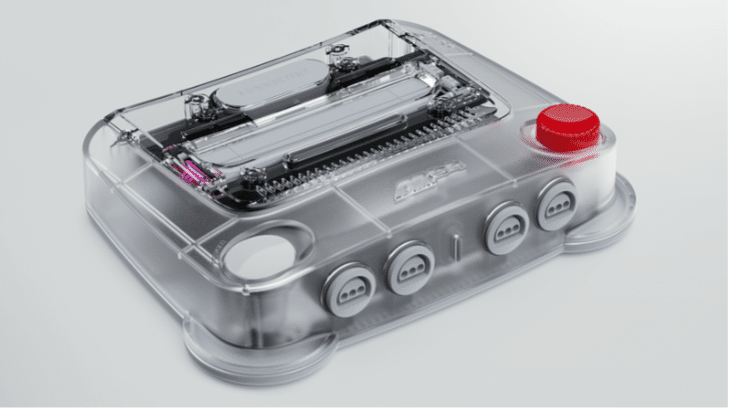
A new retro gaming console by AMD is bringing classic Nintendo 64 titles back to modern players through a hardware-based recreation approach designed to preserve the original gaming experience.
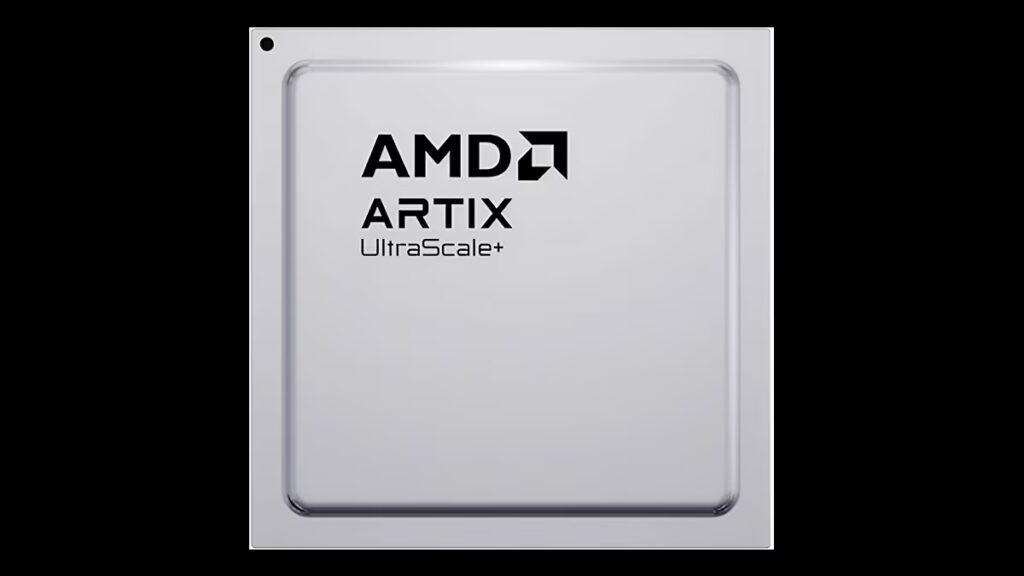
The console supports original Nintendo 64 cartridges and relies on an advanced FPGA platform to reproduce the behaviour of the original hardware at the chip level. By emulating hardware logic directly rather than using software-based emulation, the system aims to deliver lower latency, greater accuracy, and gameplay that closely mirrors the original console.
The key features are:
- FPGA-based hardware recreation of original console logic
- Support for original Nintendo 64 game cartridges
- Lower latency compared with software emulation approaches
- Hardware-level reproduction of controller and system behaviour
- Designed to preserve authentic gameplay timing and responsiveness
The FPGA architecture serves as the core of the system, enabling developers to recreate critical functions of legacy hardware. This approach allows the console to replicate controller responsiveness, timing characteristics, and visual output to match the experience of playing on original hardware.
The launch reflects growing interest in retro gaming hardware that goes beyond software emulators. While traditional emulation relies on modern processors to imitate older systems, FPGA-based designs recreate hardware functions electronically, helping preserve the original behaviour of classic gaming platforms.
The console follows the developer’s earlier handheld gaming device, which was designed to support original Game Boy and Game Boy Colour cartridges. The latest system expands the company’s retro gaming portfolio by targeting one of the most popular console platforms of the late 1990s.
According to the FPGA supplier, adaptive computing technology is enabling developers to reproduce legacy chip logic with a high degree of precision. The company said direct hardware-level recreation helps preserve the authenticity of classic gaming experiences while making them accessible to a new generation of players.
As demand for retro gaming continues to grow, FPGA-based systems are increasingly being used to preserve older gaming platforms and support original game media. The new console highlights how modern programmable hardware can be applied to recreate classic gaming experiences while maintaining compatibility with decades-old cartridges.
Click here for the original announcement.