A new Python library streamlines how engineers and developers script, automate, and analyze data from PicoScopes, bringing faster and simpler control to PC-based oscilloscopes.
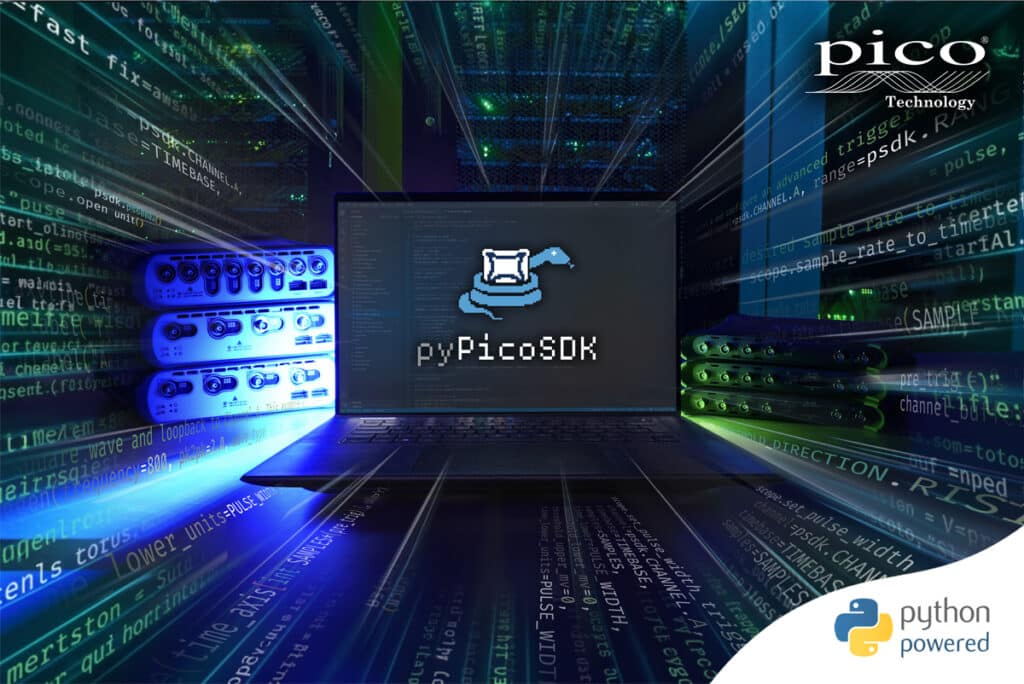
A new Python package, pyPicoSDK, has been launched to make controlling PicoScopes simpler, faster, and more accessible for engineers, developers, and hobbyists. Built atop the established PicoSDK, the library offers a cleaner, more intuitive way to automate oscilloscope operations and integrate data acquisition directly into Python-based workflows.
The package consolidates all direct driver functions into a single, unified interface and introduces built-in helper functions to cut down on coding complexity. By aligning with Python’s design philosophy of readability and simplicity, pyPicoSDK enables users to build custom applications for signal analysis, testing, and measurement without getting bogged down by low-level driver calls.
Aimed at both beginners and advanced developers, it comes with a comprehensive Getting Started guide, in-depth documentation, and practical real-world examples. The package is designed for quick adoption, offering type hints, docstrings, and code completion directly in popular IDEs—features that significantly reduce development overhead and debugging time.
The initial release supports the PicoScope 6000E and 3000E Series oscilloscopes, with broader hardware compatibility expected in future updates. Built-in support for NumPy ensures seamless integration with Python’s scientific and data analysis ecosystem, opening doors for advanced automation, signal processing, and AI-assisted measurement workflows.
The key features are:
- Promotes open collaboration and community-driven development
- Users can contribute via GitHub by suggesting features, reporting bugs, or sharing scripts
- Technical support available through user forums and dedicated help channels
With this SDK Python users gain a modern, unified toolset that transforms how oscilloscopes are used in labs and design environments—making precision measurements, data logging, and analysis more efficient and adaptable to next-generation workflows. The package and its documentation are now available through the official GitHub repository, with ongoing updates and feature expansions planned.