





A silicon-germanium chip reaches 500Gbps data speeds, redefining high-frequency performance and signalling a major shift for next-generation electronics, high-speed interconnects, and data-intensive computing infrastructure worldwide.
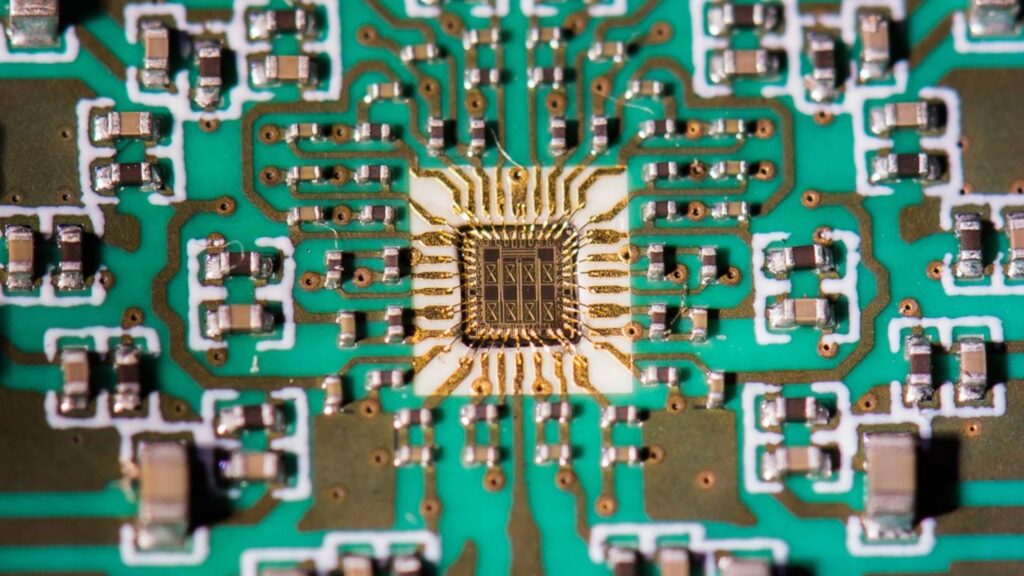
A silicon-germanium (SiGe) chip has achieved a record-breaking 500Gbps data transmission speed, setting a new benchmark for high-frequency semiconductor performance. The milestone highlights the growing potential of SiGe technology to meet the increasing demand for faster data transfer in modern electronic systems.
The development comes from the Heinz Nixdorf Institute at Paderborn University as part of the PACE project. It is particularly relevant for data centers, high-performance computing, and emerging communication standards, where bandwidth requirements are scaling rapidly. By enabling ultra-fast signal transmission, the chip could significantly improve data throughput in short-range, high-density interconnects—one of the key bottlenecks in advanced computing environments.
The performance leap is driven by the use of silicon-germanium, a material known for its superior electron mobility compared to conventional silicon. This allows the chip to operate at extremely high frequencies while maintaining signal integrity. The design also incorporates advanced circuit techniques to minimize noise and distortion, which typically become critical challenges at such speeds.
Unlike many experimental high-speed solutions, the chip is built on a silicon-compatible platform, making it easier to integrate into existing semiconductor manufacturing workflows. This compatibility could play a crucial role in accelerating real-world deployment, as it avoids the need for entirely new fabrication infrastructure.
Thermal management and power efficiency remain key considerations at these performance levels. The chip addresses these challenges through optimized architecture, ensuring that energy consumption does not scale disproportionately with speed. This balance between performance and efficiency is essential for practical adoption in large-scale systems.
The achievement comes at a time when industries are pushing toward next-generation communication technologies, including 6G and advanced optical-electrical interconnects. As data volumes continue to surge, innovations like this are expected to form the backbone of future high-speed electronics.
While further validation and scaling efforts are likely needed, the 500Gbps milestone underscores a clear direction: silicon-germanium is emerging as a strong contender for pushing the limits of electronic data transmission in the coming years.

