Cambridge researchers develop a solar-powered reactor that converts plastic waste and old battery acid into clean hydrogen fuel, offering a circular solution to two major global waste challenges.
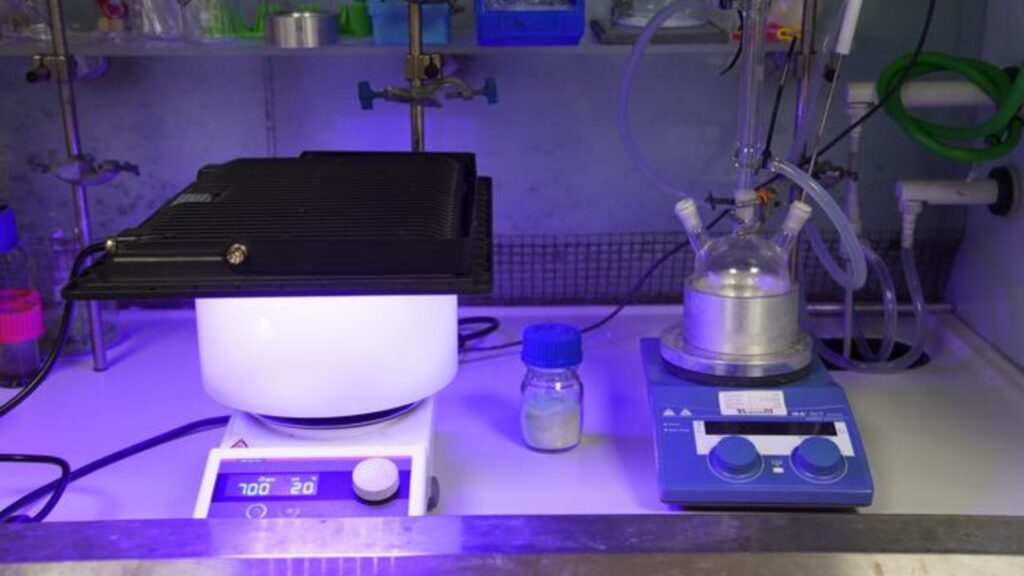
A solar-powered reactor that converts plastic waste into clean hydrogen fuel using discarded battery acid could reshape sustainable recycling and energy production.
Developed by researchers at the University of Cambridge, the system uses sunlight to drive a chemical process that breaks down hard-to-recycle plastics—such as PET bottles, nylon, and polyurethane—into hydrogen and useful industrial chemicals.
At the core of the innovation is a process called solar-powered acid photoreforming. Waste plastics are first treated with sulfuric acid recovered from used car batteries, which breaks long polymer chains into smaller molecules. These intermediates are then converted into hydrogen fuel and acetic acid using a specially engineered photocatalyst activated by sunlight.
The approach stands out because it combines two waste streams—plastic and battery acid—into a single circular system. Typically, battery acid is neutralised and discarded after use, while most plastic waste ends up in landfills or incinerators. Globally, over 400 million tonnes of plastic are produced annually, with only about 18% recycled.
Unlike conventional recycling methods, which struggle with mixed or contaminated plastics, the new reactor can process a broader range of materials. This makes it particularly relevant for low-quality plastic waste that currently has no viable recycling pathway.
A key technical breakthrough lies in the catalyst design. Researchers created a material robust enough to operate in highly corrosive acidic conditions—previously considered unsuitable for solar-driven systems—while maintaining efficiency over extended periods. Lab tests showed stable performance for more than 260 hours with high hydrogen output.
The hydrogen produced can serve as a clean energy carrier, while acetic acid serves as a valuable industrial chemical, thereby improving the economic viability of the process.
While the technology is still at the experimental stage, researchers say it could complement existing recycling systems rather than replace them. The next challenge lies in scaling the reactor for continuous, real-world operation.
If successfully commercialised, the system could offer a low-cost, solar-driven pathway to tackle plastic pollution while generating clean fuel—turning waste into a resource in the process.