

AI-driven robots capable of interpreting human intentions in real time a shift that could make future robots safer, more adaptive and better suited for close collaboration in healthcare, homes and industrial environments.
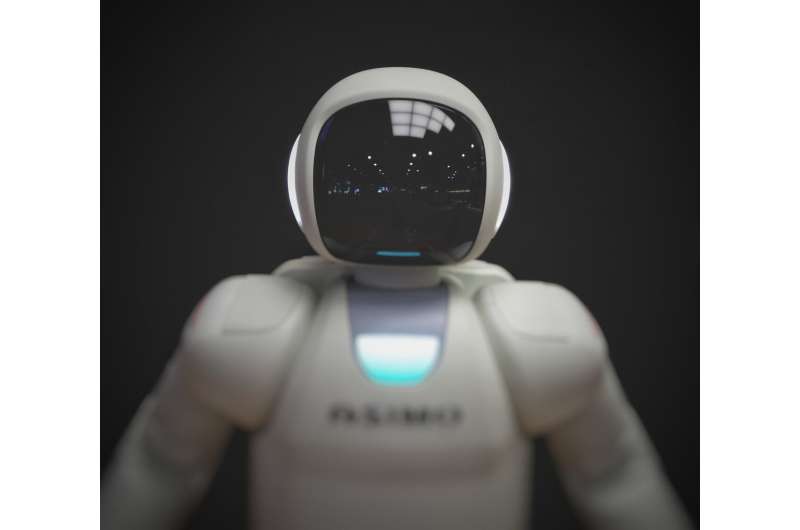
Researchers at University of Manchester are developing a new class of robots that can infer human intentions a capability experts say is essential for safer, more intuitive human-robot collaboration in homes, clinics and industrial settings.
The project, led by Dr. Mehdi Hellou under the PRIMI initiative, aims to give robots a “theory of mind” the ability to anticipate what a person believes, prefers or intends rather than simply executing programmed tasks. If successful, this could allow autonomous machines to adapt their behavior in real time, predict when someone needs help and respond appropriately in unpredictable real-world contexts.
Current robotics systems excel at physical skill and repetitive work, but they often lack the social and cognitive awareness required to work safely and fluidly with people. By combining insights from psychology, neuroscience and artificial intelligence, the PRIMI team is creating systems that blend motor intelligence (how robots move) with cognitive reasoning (how they interpret and react to human cues).
“This isn’t just about machines doing tasks, it’s about machines understanding people,” Hellou says, noting the importance of adaptable robots in sensitive sectors like healthcare or hazardous operations. A key testbed for the technology will be clinical pilot studies in stroke rehabilitation, where humanoid robots could support patients’ recovery by recognizing intent and adjusting assistance dynamically. Beyond medical use, such advances could shape future personal assistants, caregiver robots and collaborative manufacturing systems that better align with human behavior.
The team’s latest findings are detailed in ACM Transactions on Human-Robot Interaction, where researchers argue that transparency and mental-state modelling will reduce misunderstandings and mitigate unsafe behaviors in autonomous systems. Experts in robotics agree that understanding human intent is a frontier challenge. Current trends in robotics research from real-time intention tracking algorithms to empathy-oriented interaction models reflect a broader shift from rigid automation toward socially aware machines that can coexist and cooperate with humans more seamlessly and safely.
If PRIMI’s approach proves effective outside the lab, it could accelerate the integration of trustworthy robots into everyday life, reshaping how we work and interact with intelligent machines.