Using a hybrid material structure, researchers demonstrate stable ethanol detection down to five parts per billion with minimal power consumption.
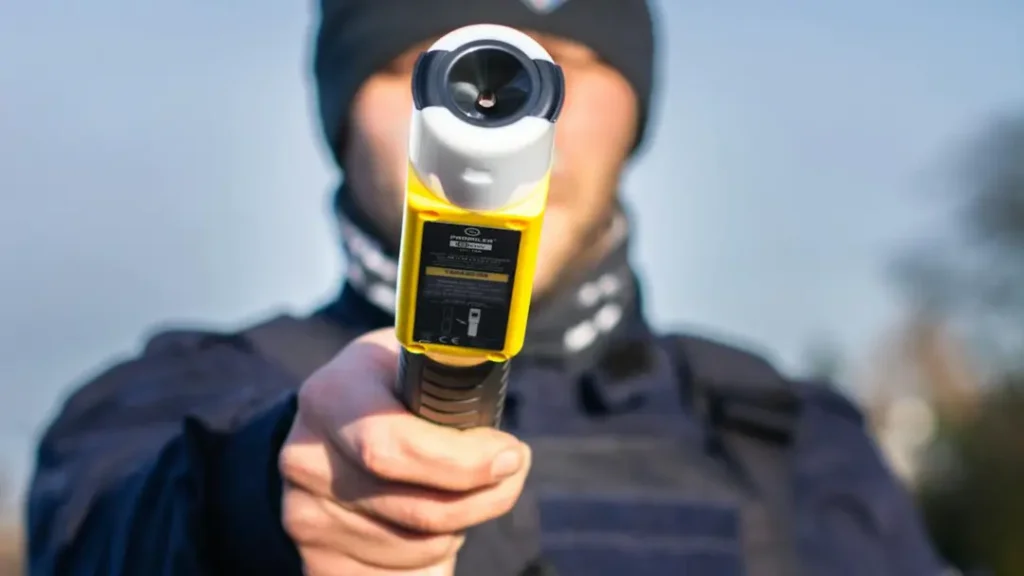
Accurate monitoring of ethanol at extremely low concentrations is important across industrial safety, healthcare, food production, and transportation. However, conventional gas sensors often require high operating temperatures and consume significant power, while still struggling with sensitivity, signal stability, and interference from humidity or other gases in real world environments.
Researchers at Yonsei University have developed a new low power gas sensing technology capable of detecting ethanol in air at concentrations as low as five parts per billion. The sensor is designed to operate continuously while consuming less than thirty milliwatts of power, addressing long standing limitations in sensitivity and energy efficiency.
The device uses a hybrid sensing structure that combines an ultrathin catalytic material with a conventional metal oxide sensing layer. The added nanoscale material provides a very large active surface, allowing ethanol molecules to react more efficiently on the sensor. At the same time, interactions between the two layers amplify changes in electrical resistance when ethanol is present, making even very small concentration changes easier to detect. The sensor is built on a suspended membrane with an integrated microheater, which limits heat loss and enables stable operation at low power levels. In testing, the device demonstrated reliable detection across a wide range of ethanol concentrations and was able to track changes in breath alcohol in real time.
Key features of the research include:
- Detection of ethanol down to parts per billion levels
- Power consumption below thirty milliwatts
- Hybrid material structure for enhanced sensitivity
- Stable operation under varying environmental conditions
- Resistance to interference from common background gases
- Compatibility with standard microfabrication processes
By combining nanoscale material engineering with a low power device structure, the sensor demonstrates how traditional gas sensing technologies can be significantly enhanced without increasing system complexity. Its ability to detect trace ethanol levels with high stability and minimal energy use makes it relevant for safety monitoring, healthcare diagnostics, and portable sensing applications where accuracy and efficiency are essential.