


A thin implantable device helps lab grown pancreatic cells mature and can lead to new options for cell based diabetes treatment.
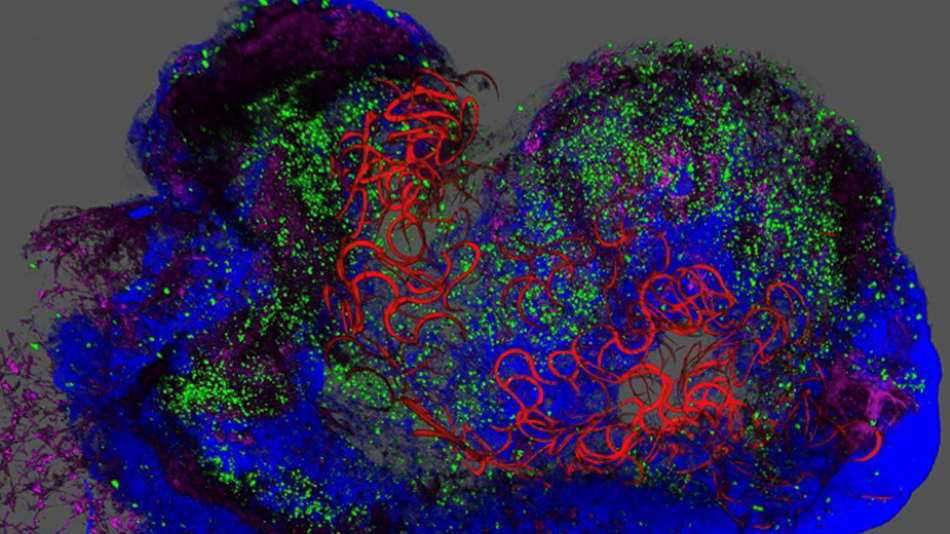
Researchers at the Perelman School of Medicine and the Harvard University School of Engineering and Applied Sciences have developed an electronic mesh that supports the maturation of stem cell derived pancreatic tissue. The findings, published February 17, 2026 in Science, demonstrate how controlled electrical stimulation can improve insulin secretion in lab grown islet cells.

The device consists of a stretchable, conductive mesh thinner than a strand of human hair. It is embedded within developing pancreatic organoids, where it records electrical activity and delivers timed pulses. By introducing a consistent 24 hour stimulation pattern, similar to circadian rhythms in the body, the researchers observed improved coordination among cells and more reliable hormone release in response to glucose.
The work addresses a persistent limitation in experimental diabetes therapies. In Type 1 diabetes, insulin producing islet cells are destroyed by the immune system. While stem cell based replacements are under clinical evaluation, lab grown cells often fail to fully mature, reducing their effectiveness after transplantation. A system that enhances functional development before implantation could improve transplant readiness and expand the supply of viable tissue.
Technical features of the platform include integrated signal sensing, programmable electrical stimulation, long term monitoring of individual cell behavior and synchronization of cell clusters within three dimensional tissue structures. The mesh can either be used to pre-condition cells before transplantation or remain integrated for ongoing monitoring and stimulation.

Jia Liu, PhD, an assistant professor of Cell and Developmental Biology, Havard, says, “What we’re doing is like deep stimulation for the pancreas. Just like pacemakers help the heart keep rhythm, controlled electrical pulses can help pancreatic cells develop and function the way they’re supposed to.”