




Can diabetes be detected with just a breath? A new sensor may replace blood tests with a simple exhale and open doors to earlier diagnosis.
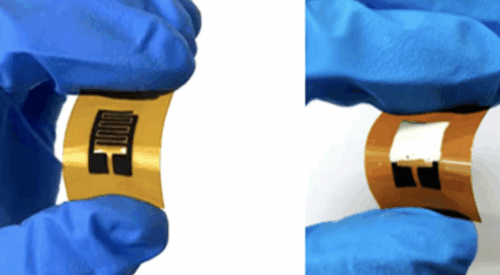
Researchers at The Pennsylvania State University and Hebei University of Technology have developed a breath sensor that can diagnose both diabetes and prediabetes without the need for blood tests. The device works by detecting acetone in exhaled breath, offering an alternative to current diagnostic methods.
In testing, the sensor detected acetone at concentrations as low as 4 parts per billion with a response and recovery time of about 20 seconds. This allowed it to distinguish between the breath of diabetic patients and healthy individuals, making it a candidate for early diagnosis. The prototype currently requires patients to exhale into a bag before analysis to avoid interference from ambient air, but the researchers are working to adapt the design so it could be used under the nose or integrated into a face mask for continuous monitoring.
The sensor is made from laser-induced graphene (LIG), created by exposing polyimide film to a carbon dioxide laser. This process produces a porous graphene structure permeable to gases, increasing the chances of capturing acetone molecules. To make the device selective for acetone, the researchers added zinc oxide, forming a junction that responds to acetone while ignoring other gases. One challenge was the humidity of human breath, as water molecules can compete with acetone for binding sites. To address this, they added a molecular sieve membrane that blocks water vapor but allows acetone to pass, enabling the device to function in humid conditions.
This technology addresses a gap in diabetes detection. Tens of millions of people in the US live with diabetes, and the condition raises the risk of complications such as heart disease, stroke, kidney disease, and death. Most of these outcomes can be managed with treatment, but about 20% of people with diabetes remain undiagnosed. Current diagnostic tests usually require a visit to the doctor, lab work, and often a blood draw, which can be costly or inconvenient. For people unaware they may have diabetes, these barriers often prevent screening. A breath-based test offers a way to reach those not served by existing methods, creating opportunities for earlier diagnosis and treatment.

