

New research outlines how technology choices, lifecycle emissions, and standardised classifications could determine whether green hydrogen can be produced at scale without shifting the environmental burden elsewhere.
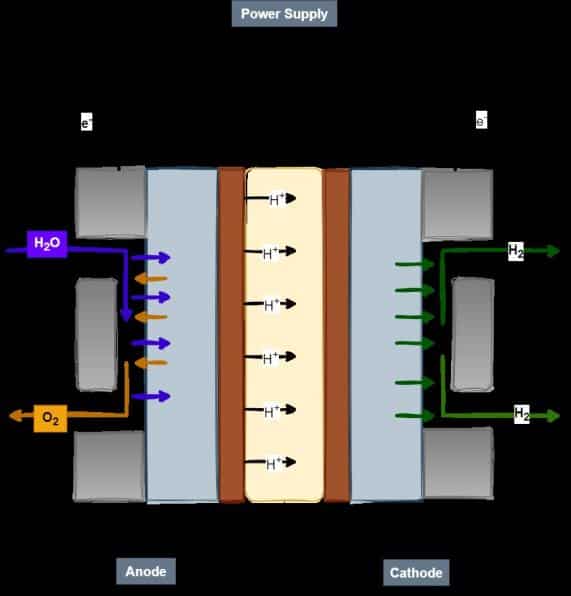
Indian Institute of Technology Madras researchers have outlined a detailed roadmap to scale sustainable green hydrogen production in India, identifying technology choices and material needs that could shape the country’s clean energy transition. The study focuses on Proton-Exchange Membrane (PEM) electrolysers, which generate hydrogen by splitting water using renewable electricity. Compared with traditional alkaline systems, PEM electrolysers show higher efficiency and greater potential for large-scale deployment, a key factor as India aims to meet its climate goals.
One of the research’s core insights is that technology selection significantly affects the environmental footprint of hydrogen production. For example, using electrocatalyst-coated components increases emissions in manufacturing but delivers cleaner hydrogen over the equipment’s life, underscoring the need for holistic lifecycle assessments rather than narrow comparisons.
To bring clarity to the market and policy landscape, the researchers also propose a tiered hydrogen classification system ranking hydrogen quality from “platinum” to “bronze” based on emissions and sustainability metrics. This kind of standardisation, they argue, would help policymakers, investors, and industry stakeholders make better decisions and foster transparency across the sector.
The study, led by Prof. Satyanarayanan Seshadri from IIT Madras’s Department of Applied Mechanics and Biomedical Engineering in partnership with the Centre for Study of Science, Technology and Policy (CSTEP), was published in the journal Energy & Fuels. India’s Green Hydrogen Mission, launched in 2023, targets annual production of 5 million metric tons of green hydrogen by 2030 as part of broader climate commitments that include achieving net-zero emissions by 2070 and generating 50% of electricity from non-fossil sources by 2030. Green hydrogen is viewed as critical for decarbonising hard-to-abate sectors such as industry, transport, and buildings.

Beyond performance and emissions, the research also examines material requirements and supply risks tied to scaling electrolyser tech vital for infrastructure planning and long-term manufacturing strategies. Overall, the roadmap seeks to bridge gaps between clean energy ambitions and technology realities, providing actionable guidance as India accelerates its shift to low-carbon fuels.