





A new study reveals a next-generation electrochemical system that not only purifies water but also recovers energy in the process — paving the way for smarter, self-sustaining technologies across industries and everyday life.

In a first-of-its-kind study published in Joule, researchers from Samsung Electronics and Sungkyunkwan University (SKKU) have unveiled an electrochemical water treatment technology capable of power recovery, signaling a leap toward sustainable environmental solutions. The work introduces a new approach that merges water purification with energy storage, solving two long-standing problems of cost and power inefficiency in current electrochemical systems.

At the core of the research is a metal oxide based nanostructured electrode that replaces the traditional ion-exchange membranes. Conventional systems depend on these costly membranes to filter charged particles, driving up both energy use and maintenance. By contrast, the new electrode can store and release ions through direct electron exchange, eliminating the need for such membranes. This design results in a 200% boost in ion storage capacity and a 20% increase in storage rate, while cutting energy consumption nearly in half to around 76 Wh/kg.
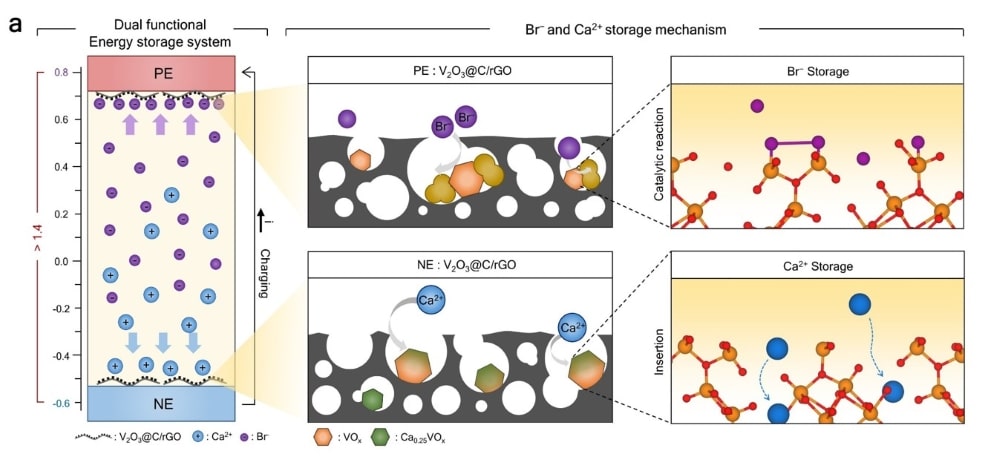
The technology also achieves a key milestone:power recovery during electrode regeneration. In most existing systems, regenerating electrodes consumes additional energy. The collaborative efforts design flips that logic: as electrodes regenerate, they spontaneously generate power, which can then be supplied to external devices. This transforms what was once an energy drain into an energy source.
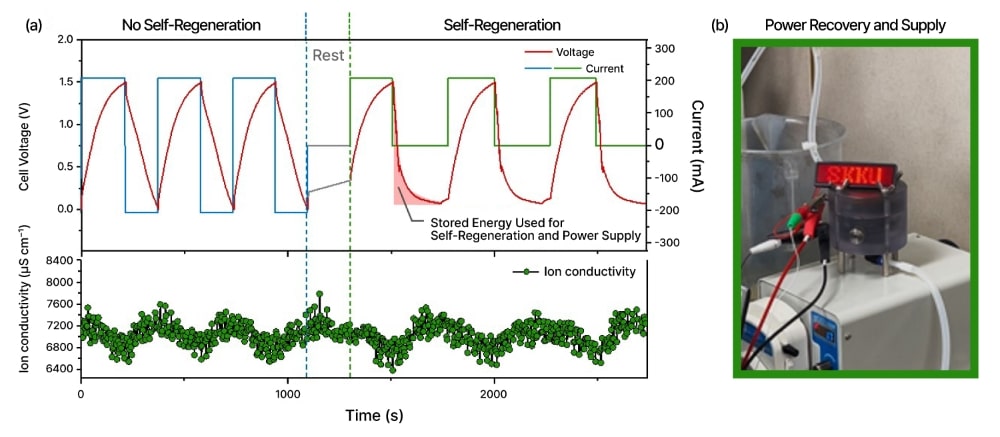
The implications stretch beyond industrial wastewater treatment. Researchers see potential integration into everyday appliances from washing machines to dishwashers and water purifiers allowing them to treat water while recharging themselves.Jointly developed by Samsung Research’s Life Solution Team and SKKU’s Chemical Engineering Department, the project underscores how advanced materials and electrochemistry can converge to reshape environmental technology. As the team continues to refine the system, this “wastewater-energy nexus” could mark a critical step toward self-sustaining smart systems that clean and power the planet at once.


