






AI computing platform is pushing edge intelligence into orbit, enabling real-time onboard data processing for satellites, reducing latency, and enhancing autonomous decision-making in harsh space environments.
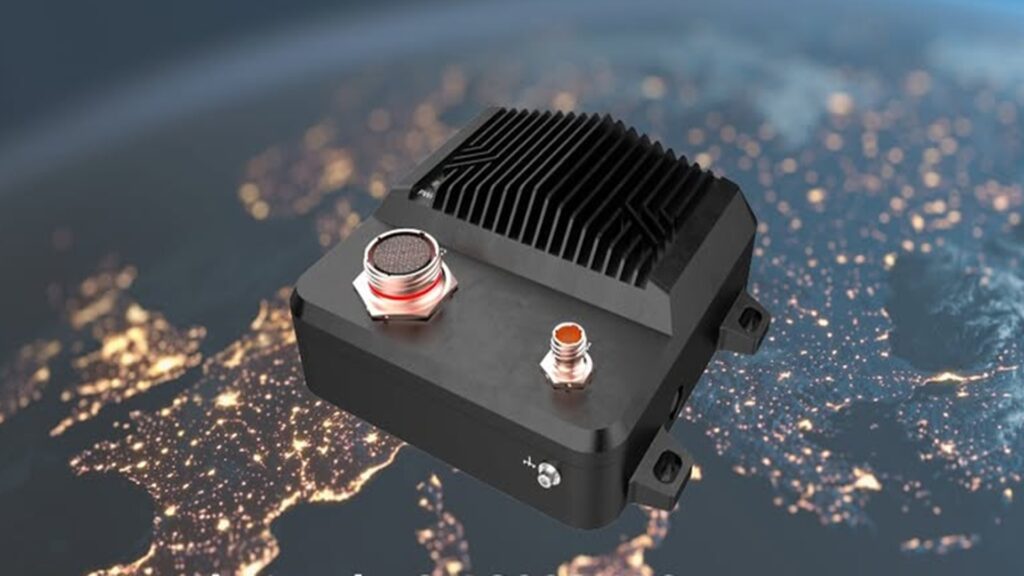
A new space-focused AI computing architecture is advancing onboard intelligence for satellites and orbital systems, enabling high-performance processing directly in space rather than relying on Earth-based data centers. The system is designed to bring accelerated computing, real-time inference, and autonomous decision-making capabilities to next-generation spacecraft operating in increasingly data-intensive missions.
At the core of the development is a ruggedized edge computing platform based on the NVIDIA IGX Thor architecture, engineered specifically for industrial and space-grade workloads. It combines AI acceleration with advanced safety and reliability features required for operation in radiation-prone, low-latency environments where traditional computing systems often struggle.
The platform is aimed at solving a growing bottleneck in modern space missions: the explosion of sensor data from imaging systems, radar payloads, Earth observation satellites, and deep-space probes. Instead of transmitting raw data back to Earth—a process constrained by bandwidth and latency—the system enables onboard AI processing, allowing spacecraft to analyze and act on information in real time.
This shift is expected to significantly improve mission efficiency. Satellites equipped with onboard AI can prioritize critical events such as space weather anomalies, object detection, or navigation adjustments without waiting for ground control inputs. It also reduces communication costs and enables more autonomous deep-space exploration missions where real-time Earth communication is not possible.
The architecture is built with a focus on redundancy, thermal efficiency, and fault tolerance. These characteristics are essential for space deployment, where hardware must withstand extreme temperature fluctuations, cosmic radiation, and long operational lifecycles without maintenance.
Beyond Earth observation and communications, the platform is also expected to support future lunar and planetary missions, where autonomous robotics and intelligent navigation systems will play a key role. Industry observers see this as part of a broader shift toward distributed intelligence in space infrastructure.
As space systems evolve into highly connected, data-rich networks, onboard AI compute is becoming a foundational requirement rather than an enhancement. The integration of edge AI acceleration into space-grade hardware marks a significant step toward fully autonomous satellite constellations and intelligent deep-space exploration systems.
