




New high-power validation systems target the next leap in electric vehicle charging, from ultra-fast passenger cars to megawatt-scale heavy transport.
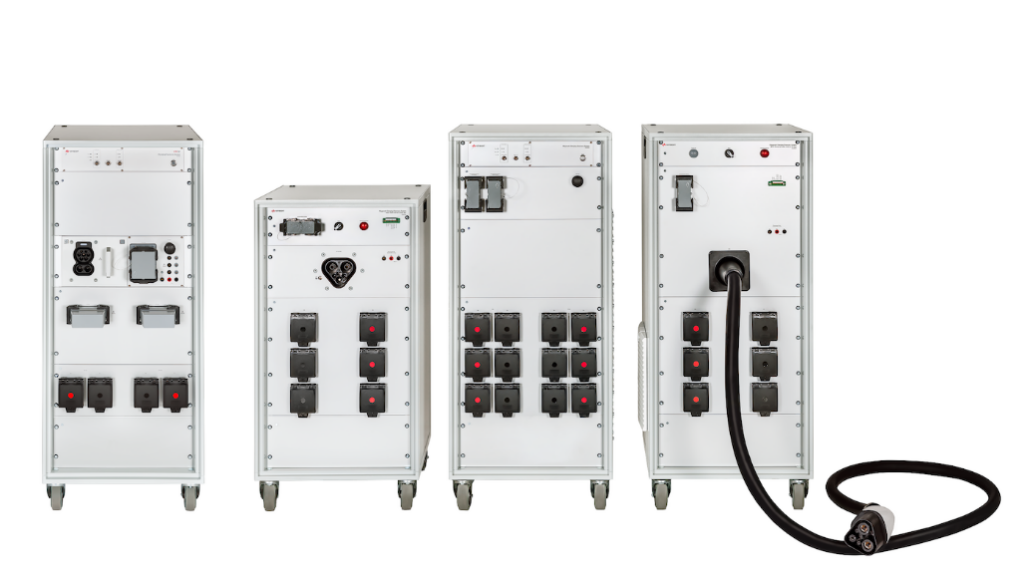
As electric vehicles push beyond fast charging into megawatt-class power levels, testing infrastructure is becoming a critical bottleneck. New charging test platforms by Keysight Technologies aim to close that gap, enabling engineers to validate high-power EV charging systems while keeping pace with rapidly evolving global standards.
The latest solutions are designed to support the industry’s shift toward high-voltage, high-current charging for both passenger and heavy-duty electric vehicles. With charging voltages climbing to 1,500 V and currents reaching 1,500 A, manufacturers face mounting challenges around safety, interoperability, and compliance across regional standards such as CCS, MCS, ISO 15118, GB/T, and CHAdeMO. Without robust validation, development cycles risk delays, redesigns, and inconsistent field performance.
The key features are:
- Supports voltages up to 1,500 V and currents up to 1,500 A
- Modular, upgradable architecture for long-term scalability
- Single-system testing for EVs and charging stations
- Compliance with global charging standards, including latest updates
- Enhanced charging communication and interoperability testing
Addressing this, the newly introduced megawatt-class charging validation platform targets heavy-duty and industrial EV applications. Its modular architecture allows testing of both vehicles and charging stations within a single system, helping reduce lab complexity and total cost of ownership. The platform is built to scale with future standards, allowing test setups to evolve without full hardware replacement.
Alongside it, an upgraded high-power charging test system focuses on software-defined scalability. Starting from lower current ratings, it can be expanded to significantly higher voltage and current levels through software upgrades, extending system lifespan. Full support for global charging standards, including the latest revisions from China, positions it for worldwide conformance and interoperability testing.
A key differentiator across both systems is enhanced charging communication testing. As EV charging shifts toward more intelligent, bidirectional, and software-driven interactions, validation of communication protocols is becoming as important as power electronics performance.
Together, these platforms reflect a broader industry trend: test infrastructure is no longer a supporting tool but a strategic enabler for e-mobility scale-up. By reducing development risk and accelerating time-to-market, such solutions aim to help OEMs, charger manufacturers, and infrastructure providers prepare for the next phase of EV adoption—where charging speed, reliability, and standards compliance will define competitiveness.


