Big power users like AI data centers, electric cars, and solar systems waste energy. The vertical GaN tech makes power use smaller, faster, and better.
Power efficiency is becoming a critical constraint across industries. AI data centers consume more electricity than some cities, electric vehicles are limited by range, and renewable energy systems lose power through inefficient conversion. Every watt saved can reduce costs, improve performance, or make new applications possible. Onsemi’s vertical GaN (vGaN) technology addresses these challenges by enabling high-voltage, high-current switching with much greater efficiency and power density than existing solutions.
The vGaN technology allows high-end power systems to reduce energy losses by nearly 50%, shrink the size of passive components like capacitors and inductors, and operate at higher frequencies without compromising reliability. Compared to commercially available lateral GaN devices, vGaN is about three times smaller, making it suitable for applications where space, heat, and power density are critical. This means AI data centers can fit more compute power into each rack, electric vehicles can have lighter and more efficient inverters that extend range, and chargers for EVs can be faster, smaller, and more durable. Renewable energy systems, battery converters, industrial motor drives, robotics, and aerospace or defense equipment all benefit from higher voltage handling, lower energy loss, and compact, reliable designs.
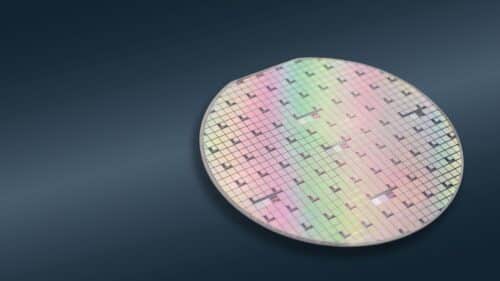
The technology works by using GaN-on-GaN substrates, allowing current to flow vertically through the chip instead of laterally across its surface. This design delivers higher power density, better thermal performance, and robust operation under extreme conditions. Unlike GaN-on-silicon or GaN-on-sapphire devices, vertical GaN can handle larger voltages and currents in smaller footprints while reducing heat and cooling requirements. The result is smaller, lighter, and more efficient power systems that lower overall system cost and enable new capabilities in demanding applications.
By solving the limitations of size, efficiency, and thermal management, vGaN gives engineers the ability to build power systems that meet the rising demands of electrification, AI, and renewable energy. It provides practical solutions for anyone who needs more power in less space while saving energy and improving reliability.