





Imagine a system finds battery leaks before they cause danger catching warning signs that other safety tools miss? Could this change how we stop fires in EV? Read more!
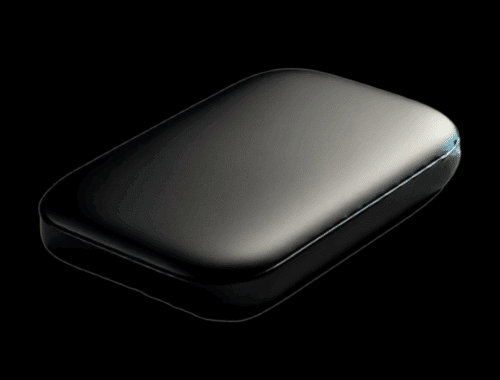
IonSniff has officially launched its next-generation lithium-ion battery leak detection system to provide early warning of battery failures and prevent fires in electric vehicles (EVs) and a wide range of consumer devices. The launch comes as adoption of lithium-ion batteries in EVs and electronics increases, raising concerns over thermal runaway—a chain reaction that can lead to dangerous fires.
The system detects leaks in their earliest stages, giving users crucial time to take preventive action. This early detection helps reduce the risk of battery-related incidents before they escalate.
It uses specialized sensors to identify the specific electrolyte gas patterns released during the initial phase of lithium-ion battery failures. By detecting these subtle chemical signals, it can spot problems that traditional safety measures often miss.
The system has been extensively tested in laboratory conditions to confirm its reliability, speed, and accuracy in issuing timely alerts. Detection units are designed for straightforward installation, making them suitable for homes, garages, and commercial spaces.
The company addresses a key safety gap, as many legacy solutions are not sensitive enough to detect the specific gas signatures that mark early-stage battery leaks. By leveraging advanced sensor technology, IonSniff empowers users to respond before thermal runaway and fires occur, potentially preventing significant damage and safeguarding lives and assets.
“The proliferation of lithium-ion batteries in our daily lives brings incredible convenience, but also new risks,” said Dr. Mohammed Elbadry, Chief Technology Officer at IonSniff. “Our mission is to provide peace of mind by offering a reliable solution to this growing safety concern. By detecting issues before they become emergencies, we’re helping to protect lives and property.”
For more information, click here.

