


With AI in the driver’s seat, the future of secure, intelligent EV charging looks not just possible—but inevitable.
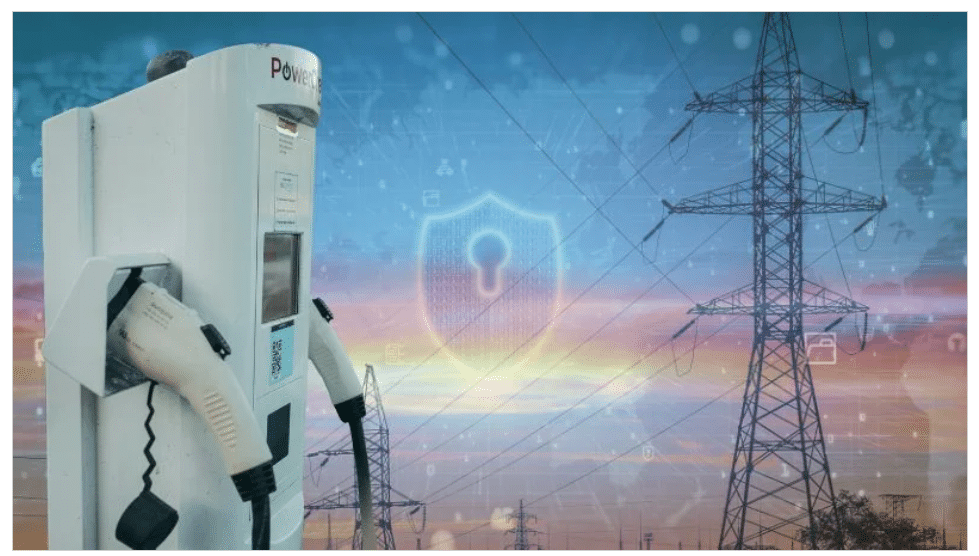
As electric vehicles (EVs) become central to decarbonization goals, the rapid expansion of EV charging infrastructure is exposing new vulnerabilities in smart grids. These high-tech charging hubs, often connected via IoT and powered by cloud-based systems, are now emerging as critical entry points for cyber threats. But could AI and machine learning (ML) offer the cybersecurity muscle to defend these networks?

A recent study in Scientific Reports suggests the answer is yes. Researchers have successfully demonstrated a framework that fuses smart grid infrastructure with AI/ML algorithms to detect cyber anomalies with 98.9% accuracy. Better still, this solution can be embedded into existing EV charging setups—no redesign required.

EV Charging: A Hacker’s Playground?
EVs are intermittent, localized energy drawers within smart grids, making their secure integration complex. With each new charger or connected vehicle, the digital attack surface expands. Weak login credentials and outdated firmware are common soft spots. Hackers can exploit these to disable chargers, inject malware, and even manipulate grid-level operations.
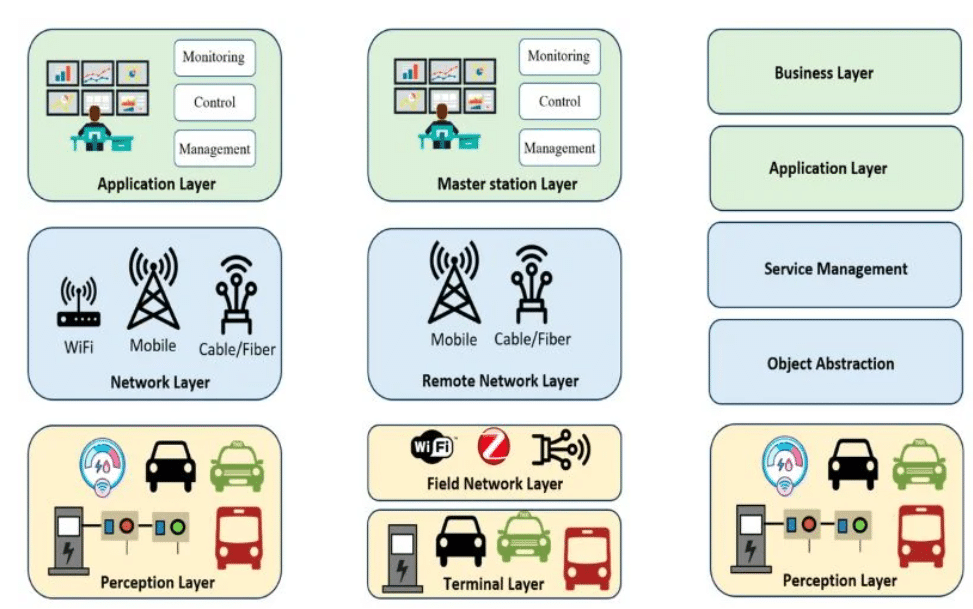
Smart charging systems—built on the “Internet of Electric Vehicles” (IoEV)—optimize energy flow by coordinating across multiple EVs and stations. But this interconnectivity is a double-edged sword. Vulnerabilities in peer-to-peer connections or command protocols can allow malware to spread quickly or energy flows to be hijacked, risking instability across the entire grid.
AI and ML offer a powerful defense by continuously analyzing charging behavior for suspicious patterns. These algorithms learn what “normal” looks like and raise red flags in real-time when anomalies are detected. Unlike conventional security systems, AI works 24/7, autonomously, and scales with the network.
Beyond cybersecurity, AI also aids in smarter energy demand forecasting and grid optimization. Experts suggest combining AI with blockchain could further fortify EV charging ecosystems—offering tamper-proof transaction records and more secure device-to-grid interactions.