Lithium–sulfur chemistry enables higher energy density using low-cost sulfur instead of metals found in lithium-ion batteries.
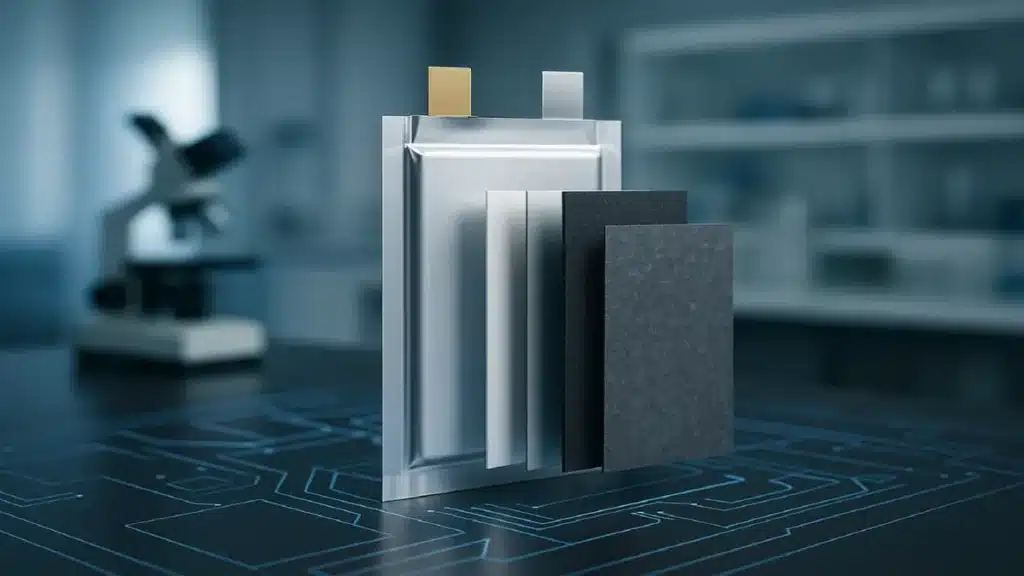
The research team has built a new solid-state lithium–sulfur (Li–S) battery that stores up to 600 watt-hours of energy per kilogram. The technology aims to make batteries lighter, safer and more efficient for use in electric vehicles, aircraft, drones and portable power systems
Lithium–sulfur batteries use sulfur instead of the expensive metals found in Li-ion cells. Sulfur is cheap and easily available, and it can store more energy by weight. But earlier versions of Li–S batteries faced problems because the liquid electrolytes inside them formed unwanted compounds called polysulfides. These caused energy loss and reduced battery life.
To fix this, the German research team replaced the liquid part of the battery with solid materials. This makes the battery more stable and reduces chemical damage over time. The design uses a sulfur–carbon cathode, a thin lithium-metal anode, and a hybrid solid electrolyte. The team aims to reach 550 Wh/kg at a cost below $86 per kilowatt-hour, making it suitable for large-scale production.
The project also uses the team’s DRYtraec coating method, which removes the need for chemical solvents during manufacturing. This process saves up to 30 per cent of production energy and lowers carbon emissions. It also fits into existing lithium-ion production lines, making it easier for manufacturers to adopt.
All testing and prototype work are taking place at Fraunhofer’s Advanced Battery Technology Centre in Germany. The team plans to deliver working prototypes within the next few years for industries that need high energy and low weight, such as electric aviation and unmanned aerial systems.