


Researchers have developed bio-based magnetic sensors using iron and cellulose, creating a sustainable alternative to electronic sensing devices while reducing reliance on rare or environmentally harmful components.

Researchers at Helmholtz Association of German Research Centres have developed a new class of bio-based magnetic sensors made from iron and cellulose, offering a more sustainable approach to electronic sensing technologies used in consumer devices, industrial systems and smart electronics.

The research focuses on replacing conventional sensor materials with renewable and biodegradable alternatives without sacrificing performance. By combining iron particles with cellulose derived from plant-based sources, the team created magnetic sensors capable of detecting movement and magnetic field changes while significantly reducing environmental impact. Magnetic sensors are widely used in smartphones, automotive systems, medical devices and industrial automation equipment. However, many traditional sensors rely on synthetic materials or rare elements that are difficult to recycle and energy-intensive to produce. The newly developed sensors aim to address those sustainability concerns by using abundant and bio-derived raw materials.
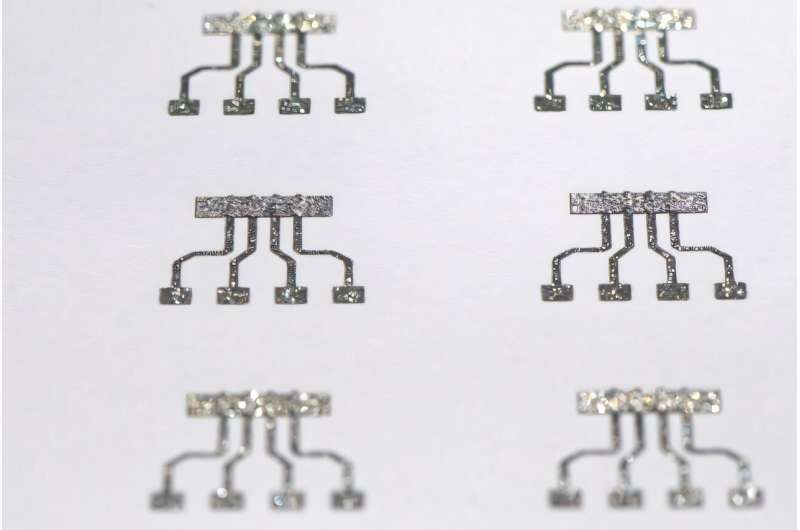
According to the researchers, cellulose acts as a flexible structural matrix while iron provides the magnetic response required for sensing operations. The resulting material is lightweight, adaptable and compatible with low-energy electronic manufacturing processes.The team said the sensors demonstrated stable magnetic performance during laboratory testing and maintained functionality under repeated mechanical stress. Their flexibility could make them suitable for wearable electronics, smart packaging and next-generation soft robotics where rigid electronic components are less practical.
Researchers also noted that the manufacturing process may lower production costs compared with traditional magnetic sensing technologies. Since cellulose is widely available and biodegradable, the technology could support efforts to reduce electronic waste and improve sustainability across the electronics supply chain. The development reflects growing industry interest in environmentally responsible electronics as manufacturers seek alternatives to petroleum-based materials and critical minerals. Flexible bio-electronic systems are becoming increasingly important for applications requiring lightweight, disposable or recyclable components.

While the technology is still at the research stage, engineers believe bio-based magnetic sensors could eventually support commercial applications in healthcare monitoring, consumer electronics and intelligent packaging systems. The study highlights how combining renewable materials with functional electronics may help shape future generations of sustainable sensing devices while maintaining the performance needed for modern electronic systems.