




MIT’s AI system boosts precision protein drug production, cutting development costs by learning the “language” of genetic sequences.
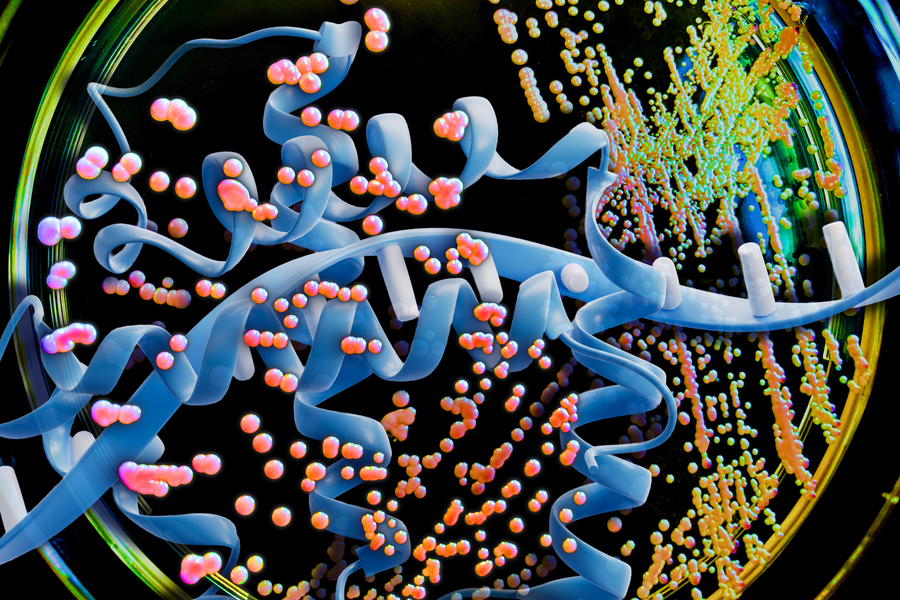
In a move that signals deeper convergence between artificial intelligence and bio-manufacturing electronics, researchers at the Massachusetts Institute of Technology (MIT) have developed an advanced large language model-based tool that could significantly reduce the cost and effort needed to develop and manufacture protein-based drugs.
Protein drugs such as monoclonal antibodies used in cancer therapy and human growth hormone are produced at industrial scale using microbes like yeast, where researchers must optimize the DNA code that instructs cells how to build these complex molecules. This “codon optimization” step has traditionally been experimental, time-consuming, and costly, accounting for a significant portion of the overall drug development budget.
The new MIT model, powered by a form of artificial intelligence similar to that behind large language models used in electronics design automation and natural language processing, analyzes tens of thousands of existing protein sequences to learn patterns of how codons are used by industrial yeast strains. Once trained, it predicts the best codon combinations to improve production efficiency a task analogous to optimizing firmware for better hardware performance.
In testing on six different proteins, the model’s optimized sequences outperformed or matched leading existing codon-optimization tools, boosting output in most cases. This directly translates to higher yields in cell factories, potentially lowering the cost of manufacturing new biologic therapies.
MIT’s engineers trained the AI using publicly available genetic data and confirmed that it learns underlying biological principles, such as avoiding DNA patterns that could suppress gene expression. Their work appeared this week in the Proceedings of the National Academy of Sciences.
The implications extend beyond biotech labs. Technologies that blend AI with genetic engineering are increasingly seen as a software-like layer for biological processes, much like how machine learning has transformed chip design and signal processing in electronics. As AI tools continue to evolve, they may help bridge gaps between computational design and real-world production systems across sectors from next-generation therapeutics to programmable biologics.
Although challenges remain including adapting models to different organisms and ensuring safe deployment this work underscores the accelerating role of AI in reducing development time and costs in complex manufacturing ecosystems.

