




A new battery design could allow sodium and lithium batteries to be used in the same vehicles and energy systems without changing existing infrastructure.
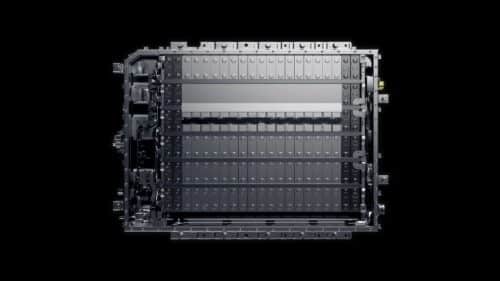
CATL has unveiled a new battery pack architecture that allows sodium-ion and lithium-ion batteries to be used within the same enclosure, enabling manufacturers to switch between battery chemistries without redesigning vehicles, battery-swapping stations, or energy storage systems. The platform is aimed at accelerating the deployment of sodium-ion batteries across mobility and energy storage applications.
The architecture, called “One Shell, Two Cells,” uses a standardized battery pack enclosure that can house either sodium-ion or lithium-ion cells while maintaining the same external dimensions. The design was presented during an industry research event organized by China’s Ministry of Industry and Information Technology (MIIT) News Centre.
According to CATL, the standardized format allows battery systems based on different chemistries to be exchanged within the same footprint. This could simplify production, reduce engineering changes, and enable existing infrastructure to support multiple battery technologies.
The approach may be particularly useful for battery-swapping networks. Operators could deploy sodium-ion battery packs in colder regions while continuing to use lithium-ion batteries in warmer areas without modifying swapping stations or related infrastructure.
The launch comes as China’s battery industry increases its focus on sodium-ion technology. One of the key advantages of sodium-ion batteries is their ability to operate more effectively in low-temperature environments. In regions where winter temperatures can fall below -25°C, lithium iron phosphate batteries often experience slower charging speeds and reduced capacity. Sodium-ion batteries can maintain stronger performance under these conditions.
The latest announcements indicate that sodium-ion battery technology is advancing toward commercial-scale deployment. Standardized battery pack designs, improved durability, and expanding material production capacity are helping position sodium-ion batteries as a complementary option alongside lithium-ion systems for transportation and energy storage applications.

