

A Europe-wide research initiative is developing lithium-ion batteries that detect internal damage and trigger self-repair—promising longer life, higher energy density, and a more sustainable future for electric vehicles.
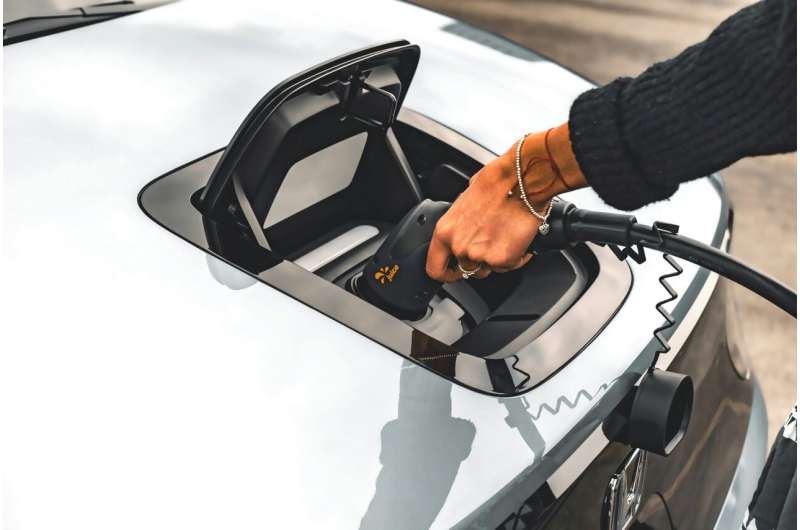
In a bid to overcome one of the biggest hurdles in electric vehicle (EV) adoption—battery degradation—researchers across Europe are working on a solution straight out of science fiction: self-healing batteries. Under the EU-funded PHOENIX initiative, scientists from Belgium, Germany, Italy, Spain, and Switzerland are designing lithium-ion batteries that can detect internal damage and initiate repair automatically.
To double battery life, reduce the need for critical raw materials like lithium and nickel, and enhance the sustainability of EVs. With EU legislation mandating all new vehicles sold from 2035 to be zero-emission, robust battery innovation is crucial. Today’s battery management systems (BMS) monitor voltage and temperature, but offer limited insights. PHOENIX researchers are taking this further with embedded sensors that detect swelling, map heat zones, and monitor harmful gases like hydrogen. These data points act as early warnings—prompting the battery to “heal” through targeted thermal treatment or magnetic pulses that dissolve damaging dendrites.
Still, there’s a tradeoff: more sensors mean higher costs. That’s why the team is focused on balancing performance with economic viability. The project is aptly named—like the mythical phoenix, these batteries aim to rise again after each failure. If successful, this tech could make EVs more reliable, reduce battery waste, and accelerate the shift to cleaner transport.
“We’re not just increasing battery life,” explains Johannes Ziegler of Germany’s Fraunhofer ISC. “We’re reducing carbon footprints and cutting down on the need for new raw materials.”“We’re bringing all the pieces together,” says Ziegler. “It’s about smarter, longer-lasting energy for the road ahead.”
Self-healing is also being explored to enable higher energy-density designs. Silicon, a promising alternative to graphite for battery anodes, can expand up to 300% during charging. But with the right self-repair mechanisms, this challenge could be tamed—unlocking lighter, more compact batteries that offer extended driving range.