




Can a two-wheeler tell when a rider is losing balance? A machine learning system detects the difference and provides support only when needed.
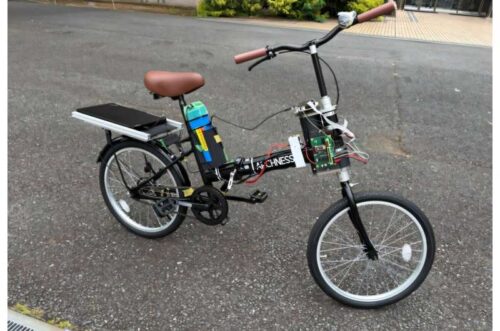
A new rider-assistance system developed by researchers at Shibaura Institute of Technology can determine whether a two-wheeler rider is intentionally taking a turn or losing balance. It provides stability support only when instability is detected, helping avoid unnecessary intervention during normal riding.
The system was tested on a steer-by-wire bicycle, where the handlebars are electronically connected to the front wheel instead of through a mechanical link. This setup allowed the researchers to monitor rider inputs and vehicle movement while maintaining a natural steering feel.
Conventional stability-control systems often rely only on vehicle motion. Since both turning and falling involve the rider leaning, these systems can struggle to distinguish between the two, sometimes activating support during normal cornering. The new approach combines vehicle data with rider behaviour to identify the rider’s intent before deciding whether assistance is needed.
The researchers used a machine-learning model based on a long short-term memory (LSTM) neural network to analyse riding data. Before training the model, they grouped the data into three riding conditions—straight riding, cornering and instability—using K-means clustering.
The model processed inputs such as steering angle, vehicle speed, roll angle, lateral acceleration and steering reaction torque. By analysing these signals together, it identified riding conditions in real time and differentiated planned turns from unstable situations.
During testing, the system kept the stability controller inactive while riders were intentionally steering through corners, allowing them to maintain full control. When it detected instability, it automatically activated balance support to help prevent loss of control.
The researchers believe the technology could be used in electric bicycles, electric motorcycles, bike-sharing fleets and delivery vehicles. Future work will focus on recognising more riding situations and adapting the system to different road conditions, with the aim of improving rider safety without affecting normal vehicle handling.


