

Sensor-equipped smart clothing uses embedded electronics to detect hazards, falls, and emergencies, enhancing safety for blind and visually impaired people.
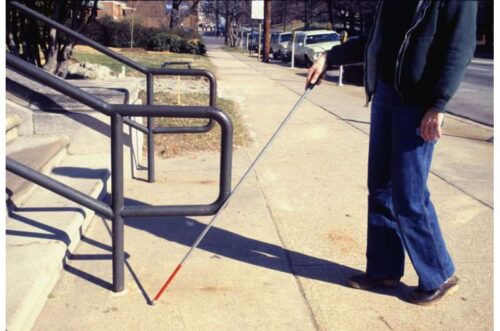
Researchers have developed a prototype of smart clothing that will enhance the safety of blind and visually impaired people, incorporating embedded electronics along with sensors that can detect dangers, falls and emergencies. The system would be able to provide monitoring, feedback and automated responses in a way that would make it wearable on a day-to-day basis.
The clothes incorporate an embedded system within them, utilizing sensors for monitoring of the environment and triggering warnings. Tests showed that the warning system worked at a distance of up to 30 metres even in total darkness. A dedicated fall detection module detected incidents in less than half a second, giving enough time to deploy an integrated airbag protection system.
They state that this technology addresses a gap in existing assistive technologies. While white canes and handheld guidance devices pay more attention to obstacle avoidance and navigation, much less attention has been paid to accident detection, emergency alerts, and impact protection.
The prototype is designed to combine visual communication and embedded systems into a system that produces smart safety wearables for blind and visually impaired users. The authors hope that this technology will help blind and visually impaired people move safely and respond to emergencies more effectively.
However, there are many challenges for this technology. Firstly, embedded elements may decrease comfort; secondly, the long-term durability of this technology has not been proven, and thirdly, manufacturing quality could vary at scale when producing this product in large quantities. There are also cybersecurity and privacy challenges that need to be solved.