




A new class of rugged 5G RedCap routers is emerging that delivers robust connectivity with exceptionally low power use, enabling remote and battery-powered industrial IoT deployments without the typical cost and energy trade-offs.
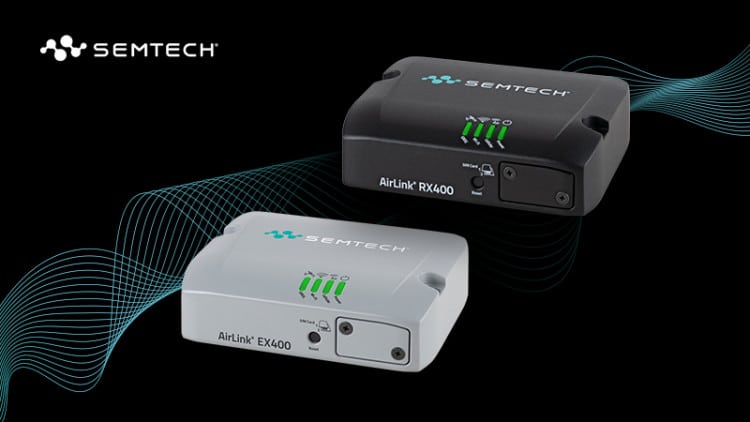
A pair of next-generation 5G RedCap routers are hitting the market, aiming to close a persistent gap for industrial and commercial IoT connectivity. Designed around recent 3GPP RedCap standards, these devices prioritize ultra-low idle power consumption less than 1 watt and rugged hardware that’s suitable for remote, off-grid environments where traditional 5G hardware has been too power-hungry and legacy LTE gear faces obsolescence.
The key features are:
- Sub-1 W idle power consumption for solar/battery operation
- 5G RedCap + LTE fallback for future-proof industrial connectivity
- Ruggedized design with MIL-STD and IP64 ratings (select model)
- Edge computing and flexible interface options
- Cloud-based remote management and monitoring support
The new routers by Semtech Corporation deliver the throughput and responsiveness expected of 5G RedCap while significantly reducing energy draw, making them viable for solar- or battery-powered installations and cutting operational costs in scenarios where grid power is limited or unavailable. Their 5G standalone (SA) RedCap support also gives them a longer useful lifespan than legacy LTE units as carriers modernize networks and phase out older technologies. A new class of rugged 5G RedCap routers is emerging that delivers robust connectivity with exceptionally low power use, enabling remote and battery-powered industrial IoT deployments without the typical cost and energy trade-offs.
One model stands out for its rugged build with industry-grade environmental tolerance. Its design meets military durability standards and IP64 ingress protection, making it well suited to harsh outdoor sites like energy substations, oil and gas infrastructure, and utility monitoring points. In addition to 5G RedCap, it supports LTE fallback for flexible connectivity and includes interfaces such as serial ports, Ethernet, and optional Wi-Fi 6, alongside edge computing capabilities that handle data processing at the edge rather than relying solely on backhaul networks.
A companion unit takes a semi-rugged approach tailored for distributed commercial IoT use cases such as manufacturing floors, retail environments, and farms. It delivers similar networking performance with dual Gigabit Ethernet connections and optional Wi-Fi 6, packaged in a design that balances durability with broader commercial appeal. Both routers include subscription-based cloud management tools that simplify remote updates and monitoring across large fleets, easing operational burdens on IT teams.


