

Researchers developed a low-cost technique to recycle CDs by fabricating flexible biosensors from their thin metal layers. These sensors can measure lactate, glucose, pH, oxygen levels, as well as the electrical activity of the human heart and muscles.
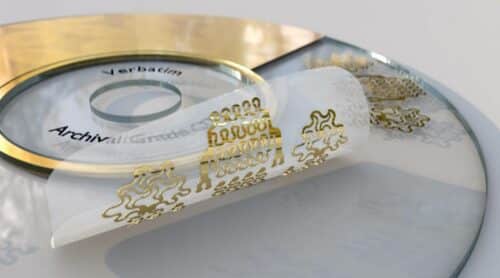
A method for converting used CDs into flexible biosensors that are simple and affordable to produce has been discovered by researchers at Binghamton University in New York. The study, which was published in Nature Communications, demonstrates how to separate the plastic from the thin metallic layer on a gold CD to create sensors that can track electrical activity in human hearts and muscles. Monitoring the levels of lactate, glucose, pH, and oxygen is another application for these biosensors. Additionally, they provide Bluetooth communication with smartphones.
The fabrication can be finished in 20 to 30 minutes without the use of expensive machinery. Each device costs around $1.50, and no hazardous chemicals are released in the process. “This sustainable approach for upcycling electronic waste provides an advantageous research-based waste stream that does not require cutting-edge microfabrication facilities, expensive materials or high-calibre engineering skills,” note the authors.
The paper’s primary author, Michael Brown, a PhD candidate at the university’s Department of Biomedical Engineering, started by looking into earlier studies on biosensors. But he discovered that such sensors still maintained the CD’s stiff construction, which limited their usefulness.
The Binghamton researchers had to first take the metallic coating off the CD’s plastic surface in order to make their version of the sensor. They did this by using an adhesive tape and chemical procedure. Similar to how a lint roller picks up lint, they first used chemicals to loosen the metal before using adhesive tape to take it off.
The thin metal layer was then shaped into an electronic circuit using a standard Cricut cutter. Electronic cutting tools called Cricut cutters can be used to cut designs from a variety of materials, such as paper, vinyl, cardboard, etc. The system has only been tested with gold CDs so far, but the researchers intend to replicate the concept with silver CDs, which are more widely used.